Playa Esmeralda, Miches
Zemi Miches, Curio Collection by Hilton
Forbes Travel Guide Verified Luxury; oceanfront bungalows added in summer 2026.
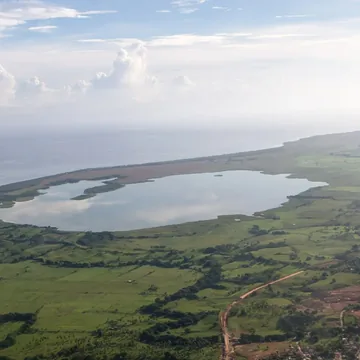
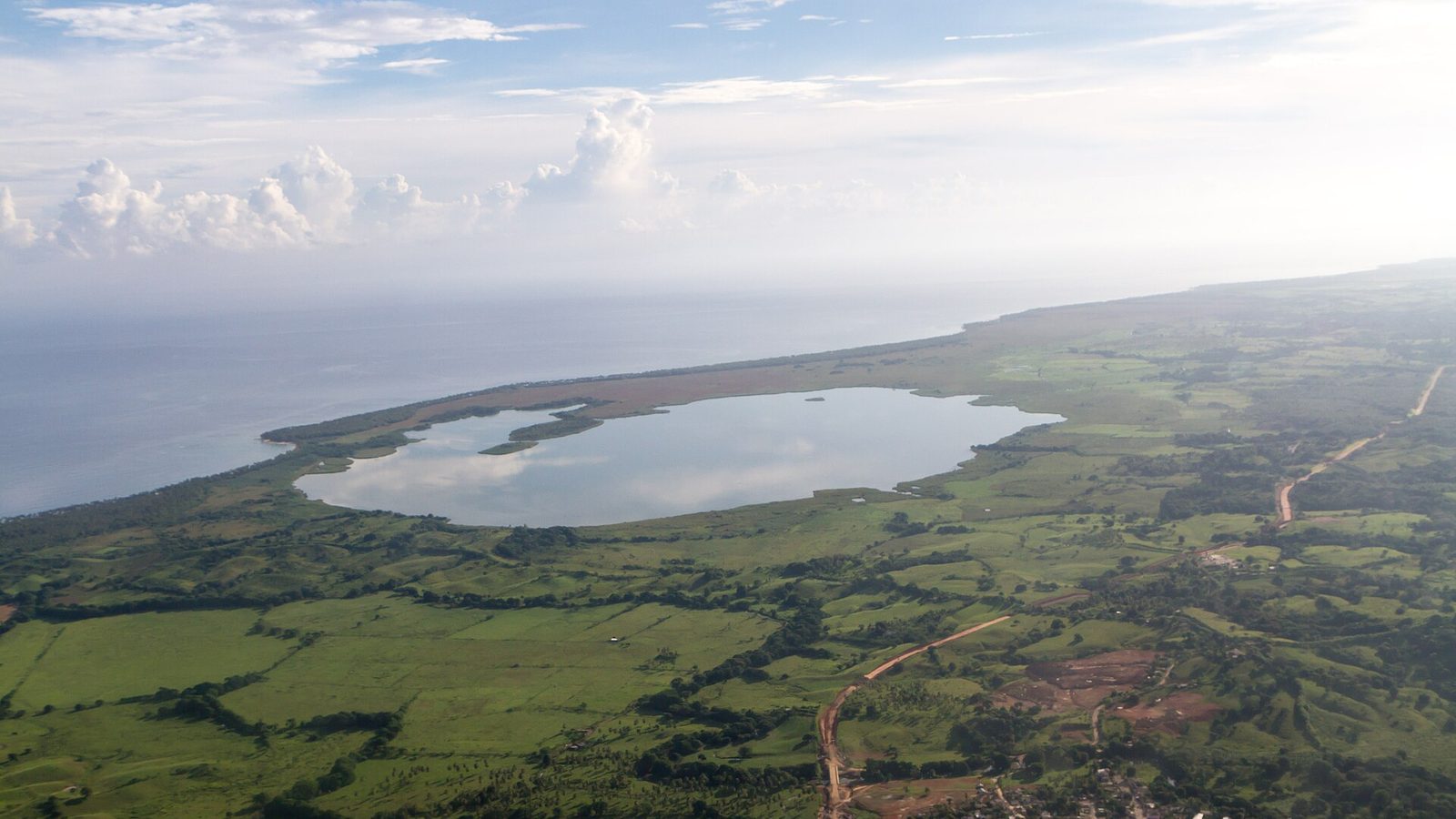
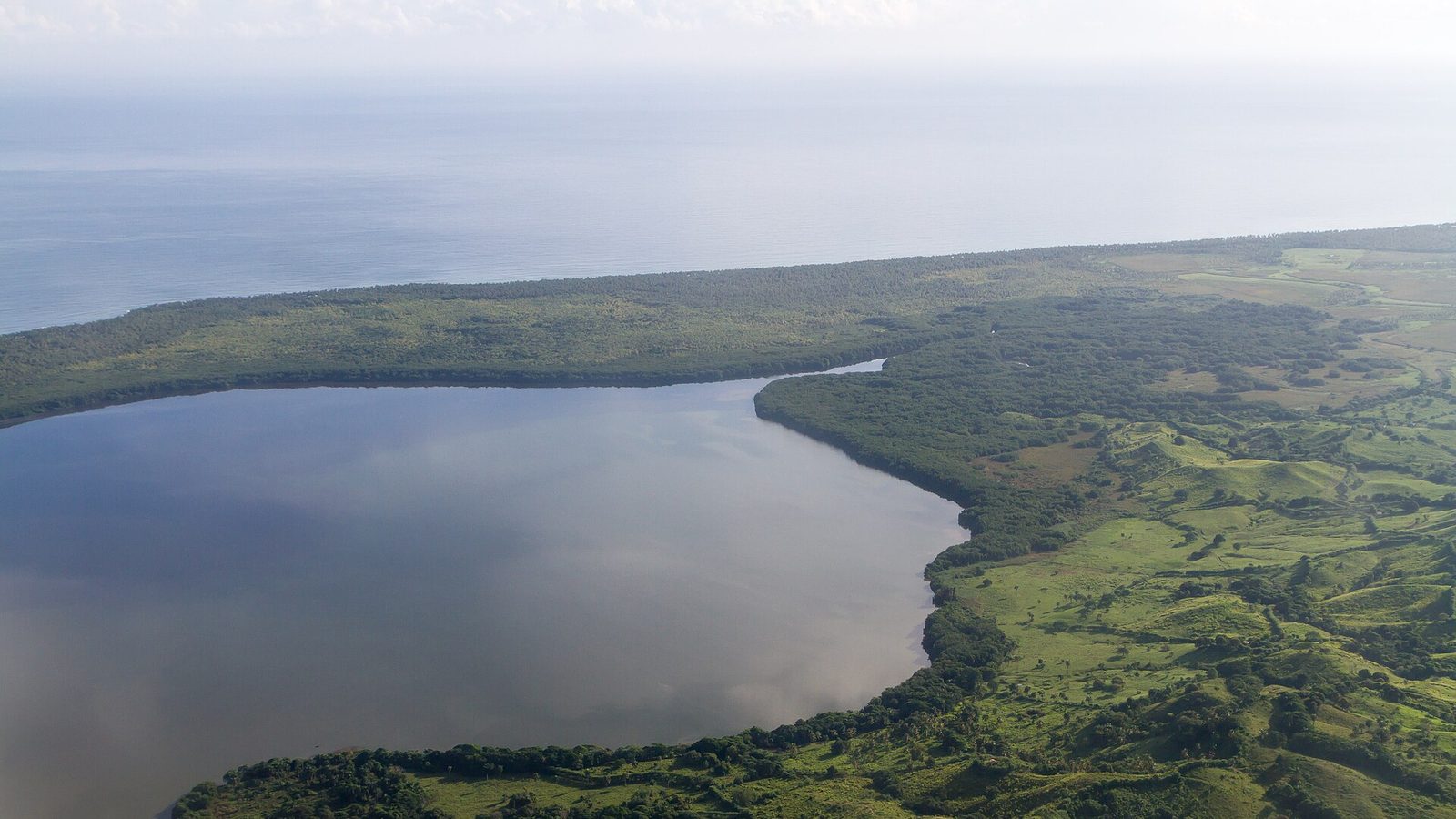
Discover Zemi Miches →Laguna Limón and the coast east of Miches, from the air
Home › The Eight Shores › Samaná › El Seibo
El Seibo · Santa Cruz and the Emerald Coast
Cattle country, the Holy Cross and the lagoons of Miches…
El Seibo
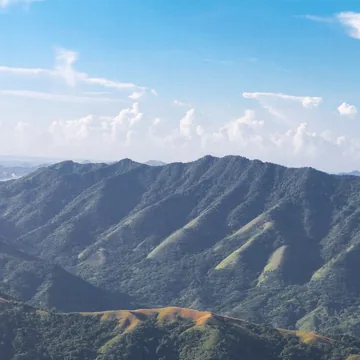
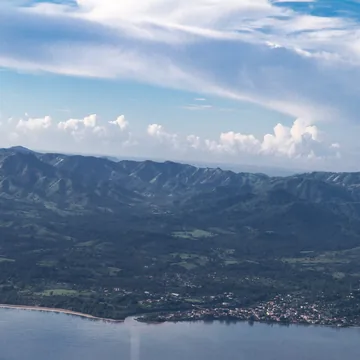
El Seibo, one of the five provinces of the first Republic, is the cattle and cacao country of the east: Santa Cruz de El Seibo, one of the oldest towns in the Americas, keeps its brick church of the Holy Cross and the memory of the battle of Palo Hincado, and to the north the hills fall to Miches, Playa Esmeralda and the mangrove lagoons of Redonda and Limón.
This guide covers the province of El Seibo; for the resorts of Playa Esmeralda in depth, see the Miches guide.
Updated November 27, 2026
At a glance
Why go
El Seibo was founded in the first years of the colony, under Governor Nicolás de Ovando, as Santa Cruz de Hicayagua, and in 1844 it was one of the five provinces of the new Republic, with Santo Domingo, Santiago, Azua and La Vega. Its name is said to come from Seebo, a Taíno chief of the land of Higüey; the Santa Cruz, from the Spanish custom of setting crosses at the four cardinal points of a town against all harm, and one of them, the cross of the Asomante, still stands in the west of the city.
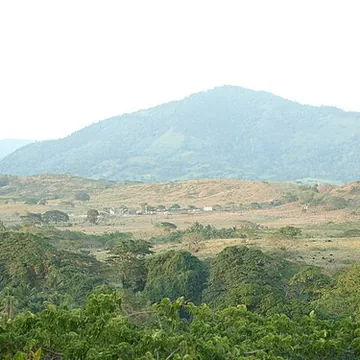
It is still the country of cattle, cacao and cane: ranches and cacao groves cover the green hills of the Cordillera Oriental, and the town lives for the feast of its patron, the Santísima Cruz, in May. To the north the hills fall to Samaná Bay at Miches, where Playa Esmeralda, the Emerald Coast, has become the Dominican Republic’s new luxury frontier.
The Holy Cross
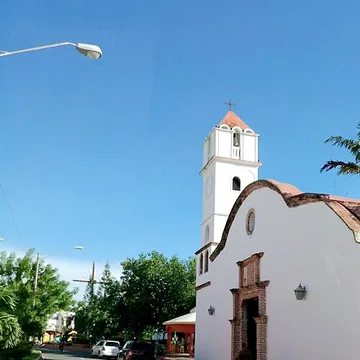
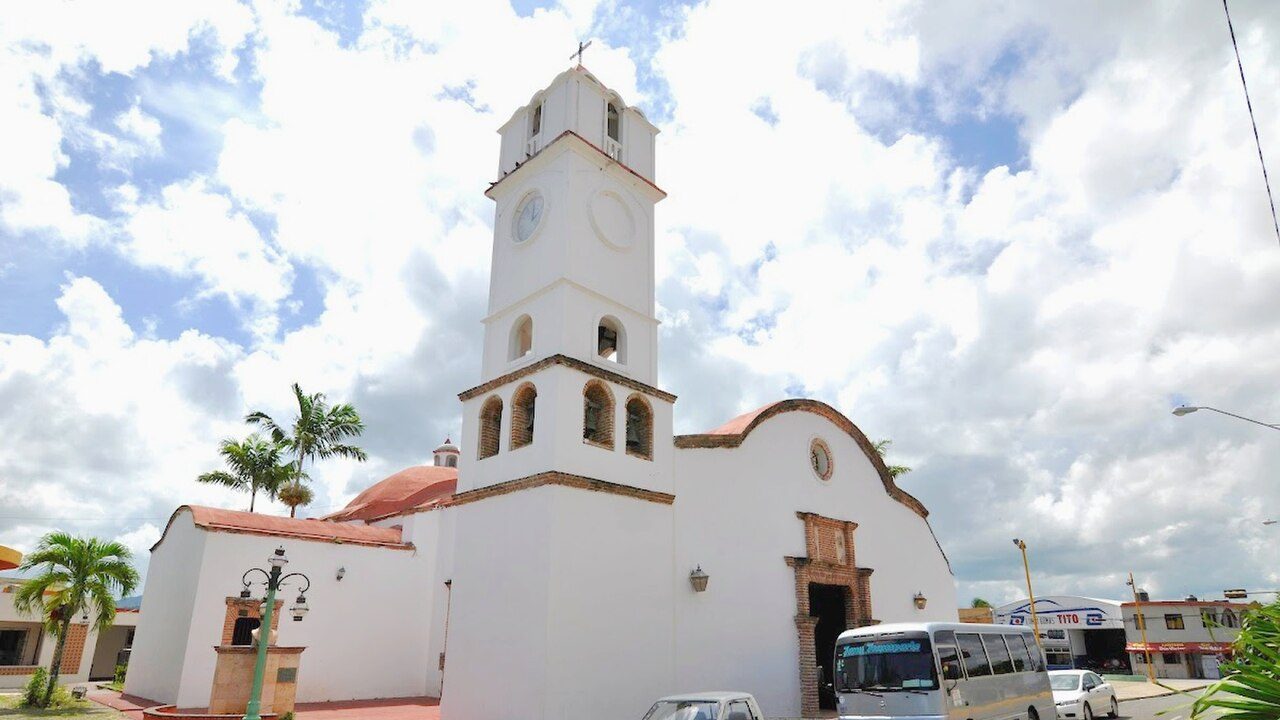
The parish church of Santa Cruz, begun in the seventeenth century to replace a first church of wood and thatch, is built of brick on the plan of a Latin cross: barrel vaults cover the nave and the transepts, a dome with a lantern rises over the raised presbytery, and the bell tower climbs in five stages. Its great relic, a fragment of the True Cross, is set in a cross of precious metals at the center of the altarpiece.
The feast of the Santísima Cruz fills the first days of May with processions, the salves and drums of the atabales and, in the town’s ring, the corridas de toros, a tradition of colonial days that El Seibo alone keeps in the country.
Palo Hincado
On November 7, 1808, on the savanna of Palo Hincado, just west of the town, a creole army led by Juan Sánchez Ramírez routed the French troops of Governor Jean-Louis Ferrand, who took his own life after the defeat. The victory opened the siege of the capital, which ended French rule in 1809 and returned the colony to Spain.
A monument stands on the hill of Palo Hincado, where the anniversary is marked every November 7 with the raising of the flag and the national anthem.
The Emerald Coast
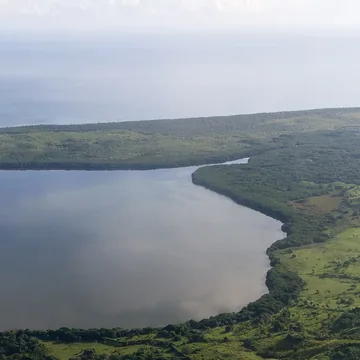
East of Miches, two lagoons lie behind the beach: Laguna Redonda, open to the sea and brackish, and Laguna Limón, of fresh water, both ringed by mangroves. Protected as a wildlife refuge, they were named a Ramsar wetland of international importance in 2022, with the wetlands of Miches and the Ría Maimón.
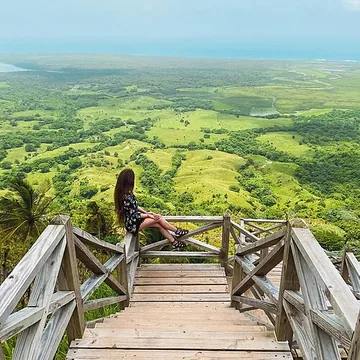
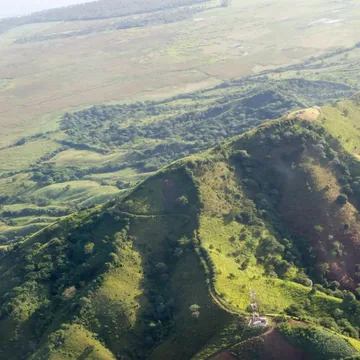
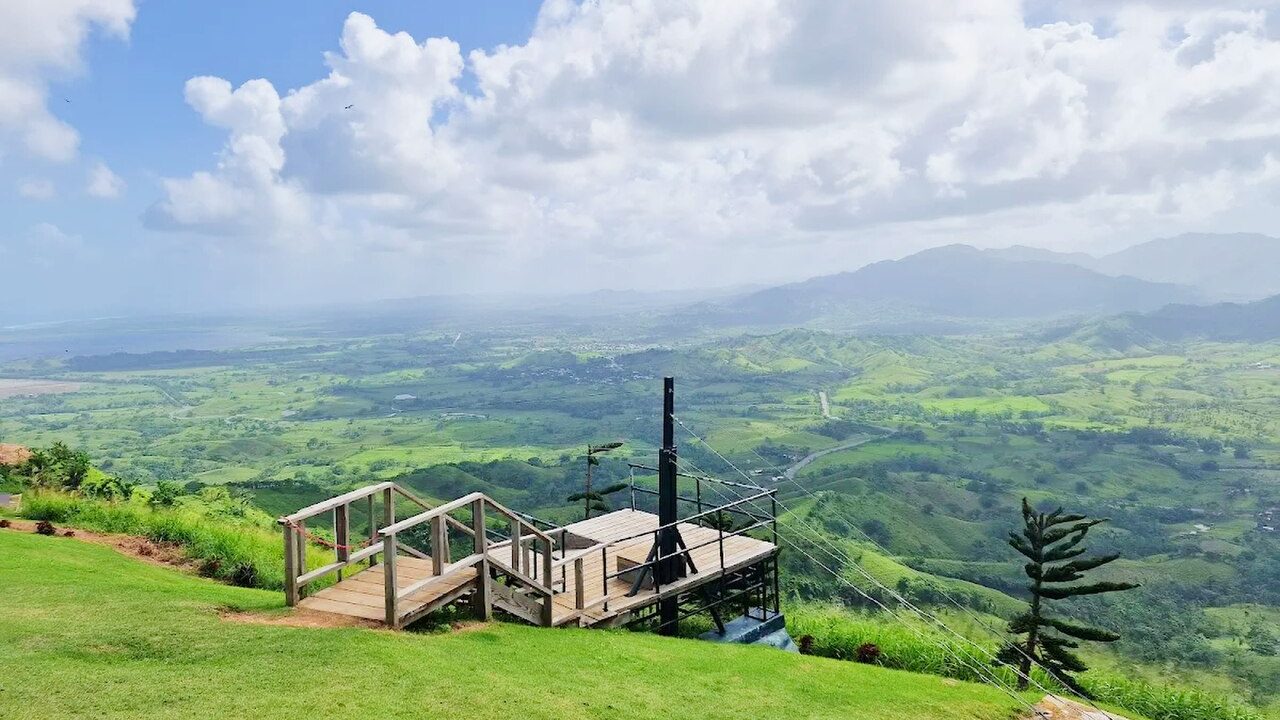
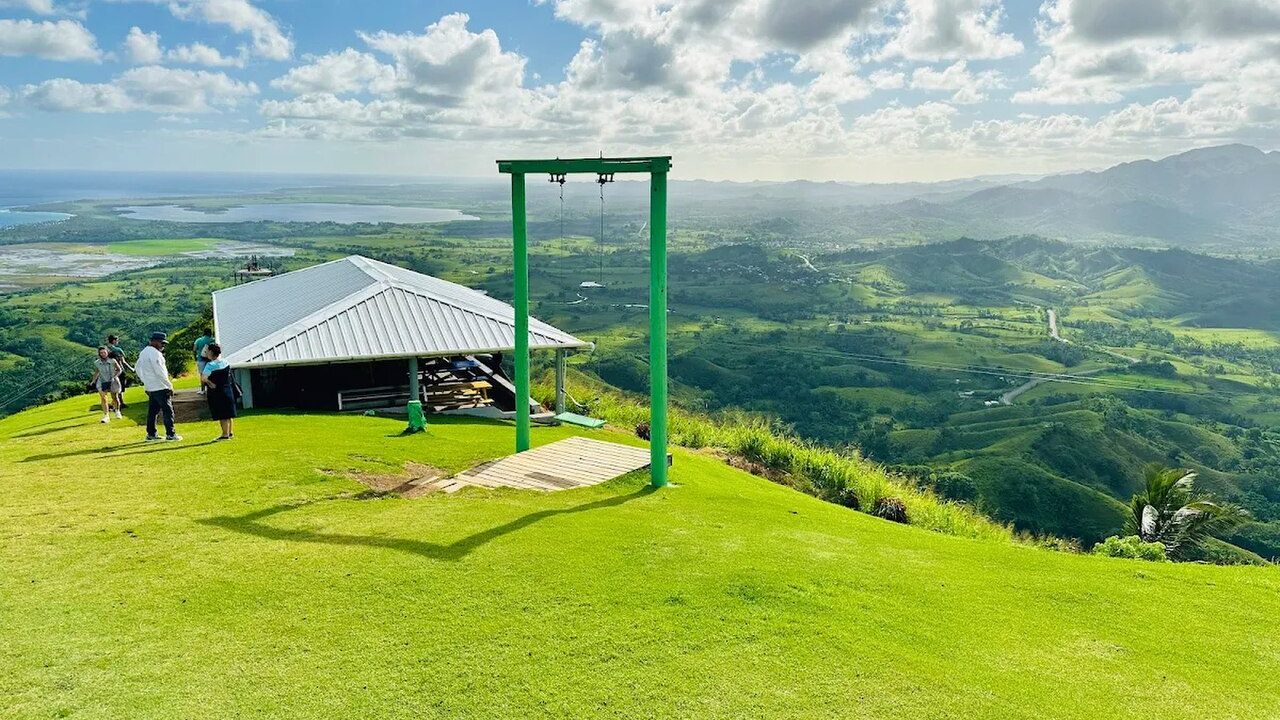
Between them rises Montaña Redonda, more than 300 meters high, with swings at the top and a view of the lagoons, Playa Esmeralda and all of Samaná Bay. West of Miches, the Salto de la Jalda, often called the tallest waterfall in the Caribbean, falls about 120 meters in its own national park.
Where to stay
The finest stays are on Playa Esmeralda, at Miches.
Playa Esmeralda, Miches
Forbes Travel Guide Verified Luxury; oceanfront bungalows added in summer 2026.
Discover Zemi Miches →Playa Esmeralda, Miches
Club Med’s first Exclusive Collection resort in the Americas.
Discover Club Med Michès →Playa Esmeralda, Miches
Part of the Hyatt Inclusive Collection, for adults only.
The Top 50 Resorts →
Places are chosen by our standard; none can pay to be listed here. Partner listings, when they appear, are clearly marked as paid.
Things to do
Santa Cruz de El Seibo
Brick vaults, a tower of five stages and a relic of the True Cross.
West of El Seibo
The monument on the battlefield of November 7, 1808.
East of Miches
Mangrove lagoons behind the beach, a wildlife refuge.
Discover Miches →Miches
Swings at the top and a view over the lagoons and the bay.
Discover Miches →West of Miches
About 120 meters of falling water, in its own national park.
Discover Miches →Playa Esmeralda
The Emerald Coast and its resorts.
Discover Miches →The calendar
Questions
In the east of the Dominican Republic, between Hato Mayor and La Altagracia, reaching north to Samaná Bay at Miches.
Yes. Miches, with Playa Esmeralda and its resorts, is the province’s second municipality, on the south shore of Samaná Bay.
On November 7, 1808, Juan Sánchez Ramírez’s creole army defeated the French under Governor Ferrand near El Seibo, the battle that brought French rule in the colony to an end.
In early May, for the Santísima Cruz, the city’s patron, whose day is May 3.
Checked November 27, 2026. Prices, dates and rules can change: confirm with each hotel, airline and official source before you travel. For entry rules, see the US State Department’s page for the Dominican Republic and the Dominican Republic’s own E-Ticket site.
Keep exploring