Playa Esmeralda, Miches
Club Med Michès Playa Esmeralda
Club Med’s first Exclusive Collection resort in the Americas.
Discover Club Med Michès →The hills of Hato Mayor
Home › The Eight Shores › Samaná › Hato Mayor
Hato Mayor · Gateway to Los Haitises
Orange groves, river pools and the gate to Los Haitises…
Hato Mayor
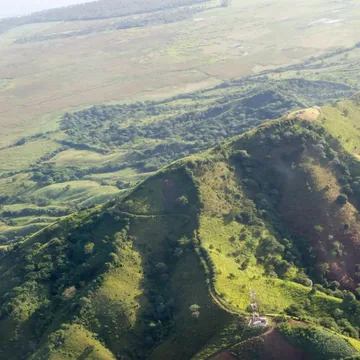
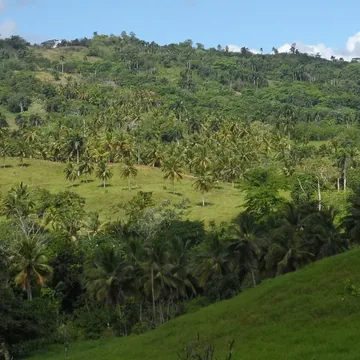
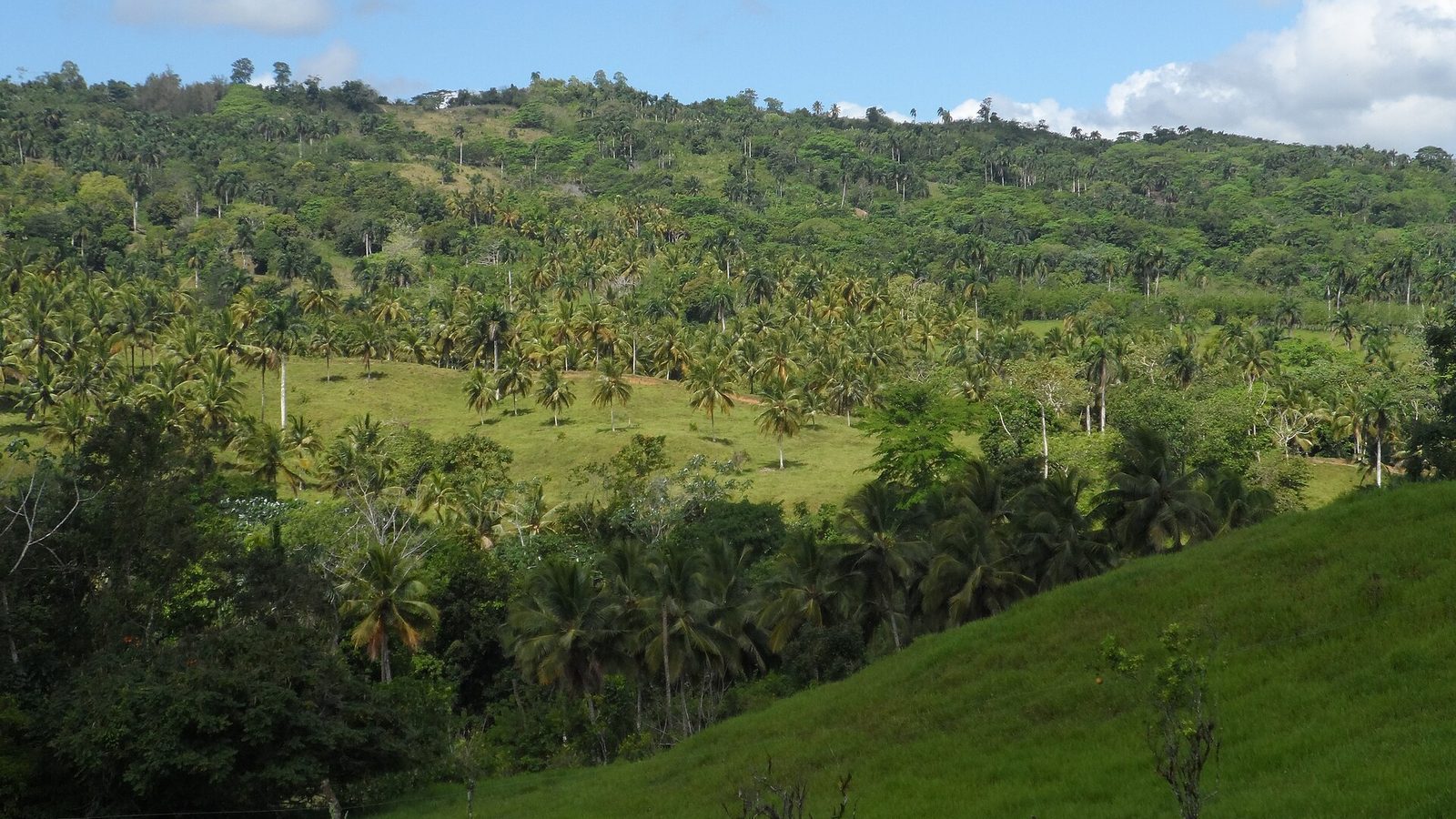
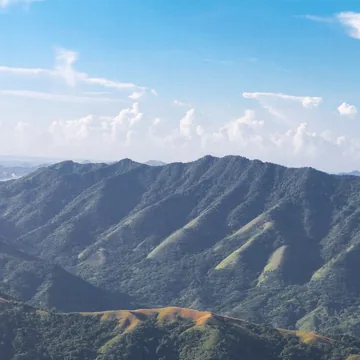
Hato Mayor, created from El Seibo in 1984, is the country’s citrus capital: orange groves and cattle ranches roll north from its capital, Hato Mayor del Rey, to Sabana de la Mar on Samaná Bay, the quiet gateway to Los Haitises National Park, where the Jivales River falls through the natural pools of Caño Hondo.
Hato Mayor is for explorers, with no luxury hotel in the province: stay on Playa Esmeralda at Miches, or across the bay in Samaná, and come for the day.
Updated November 27, 2026
At a glance
Why go
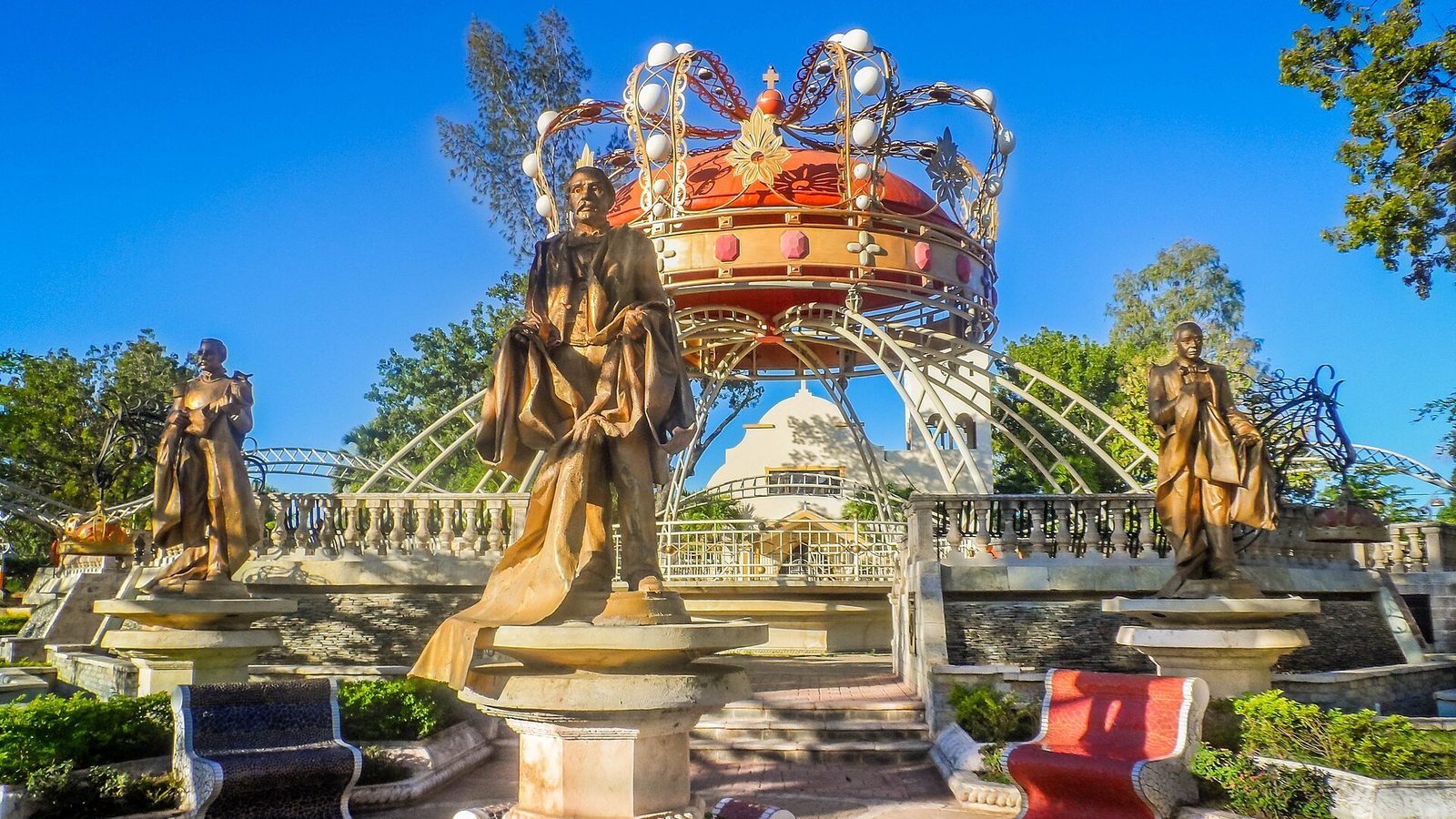
The province takes its name from the hatos, the great cattle ranches the Spanish founded here in the first years of the colony: the land belonged to the Crown, and Hato Mayor del Rey, the king’s great ranch, kept its name long after it stopped being royal property. Cattle still graze its hills, and in the twentieth century the province became the country’s citrus capital, with groves of oranges, lemons and mandarins that supply much of the nation’s fruit.
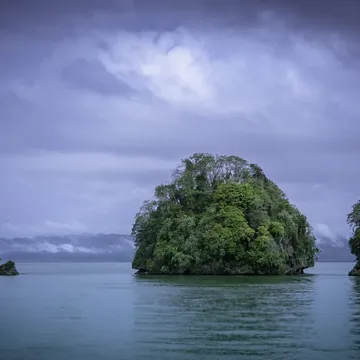
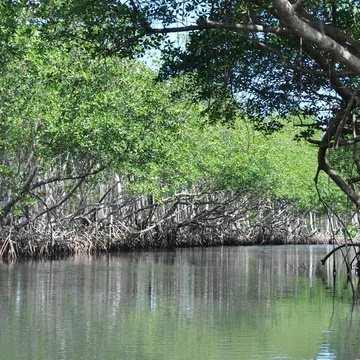
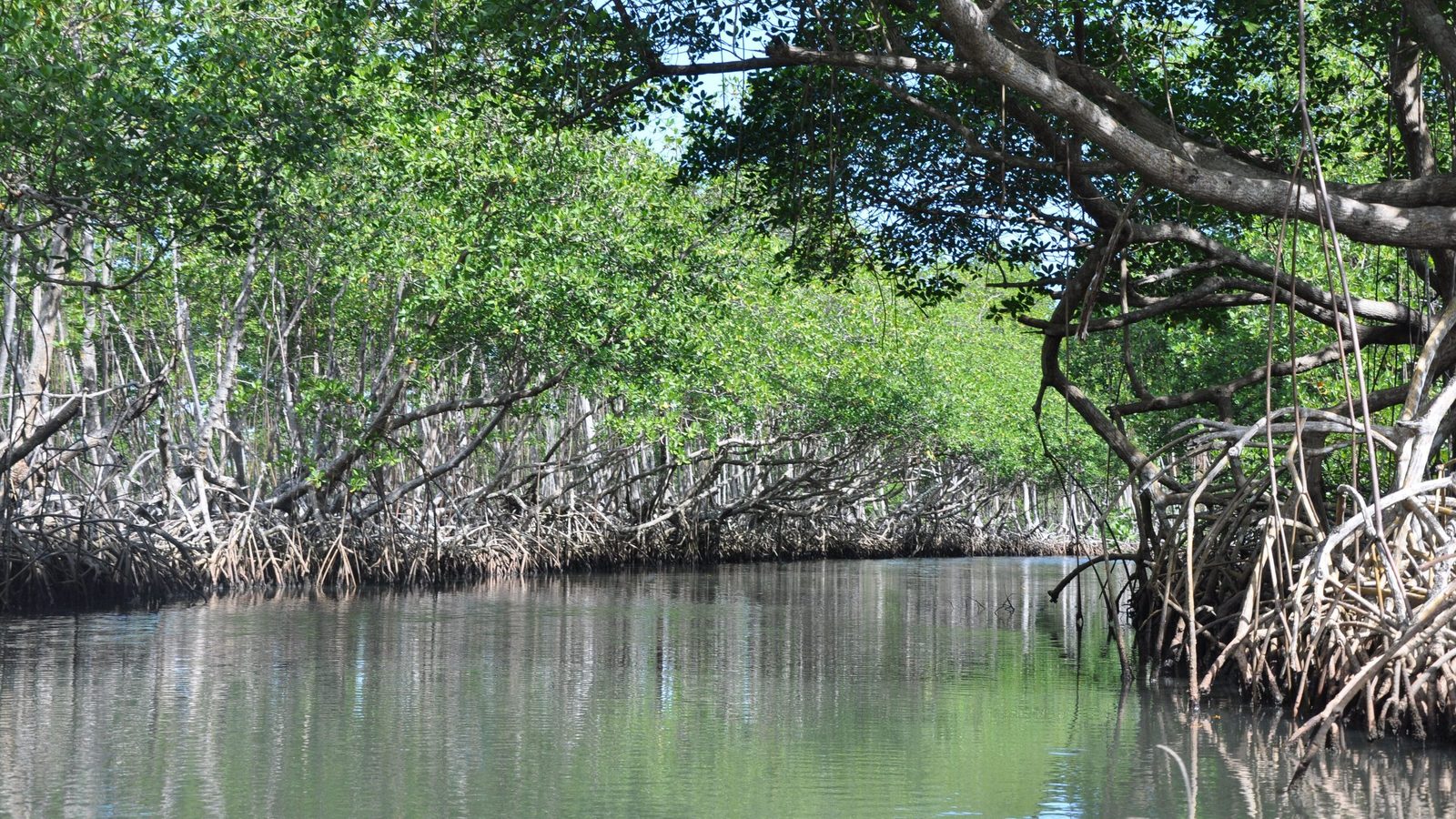
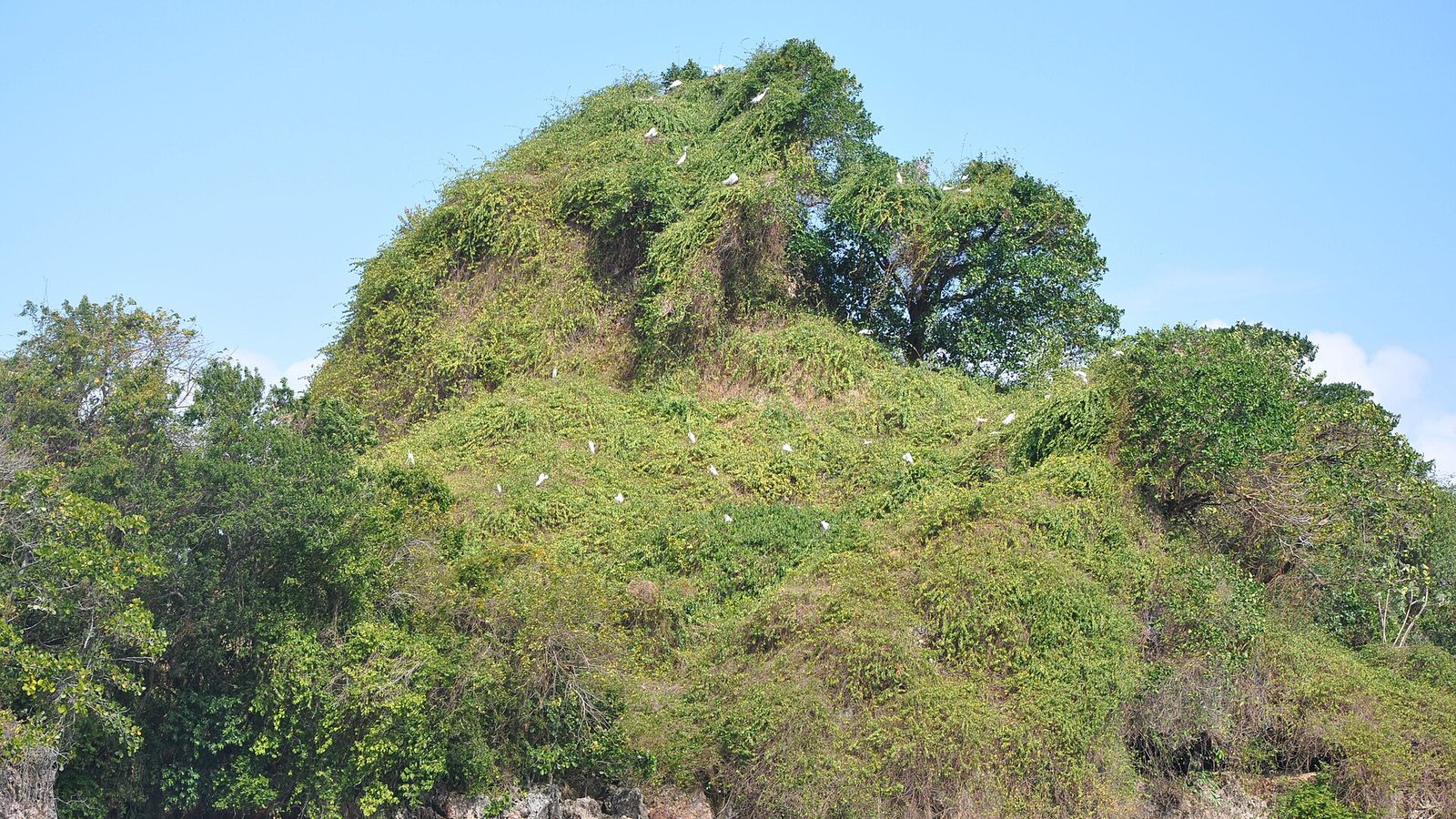
To the north, the land falls to Samaná Bay at Sabana de la Mar, a small fishing town that is the quiet back door to Los Haitises National Park. A few kilometers west, at Caño Hondo, the Jivales River runs down through a chain of natural pools beside a rustic eco-lodge, and boats leave for the mangroves, the bird islands and the caves painted by the Taíno and the peoples before them.
Caves
On the southern edge of Los Haitises, the Fun Fun cave is the country’s great caving adventure: an hour’s hike or ride on horseback through the forest to the entrance, then a rappel down into the cave and a long guided walk through its great galleries. Tours start from Rancho Capote, a ranch in the hills, and take the whole day.
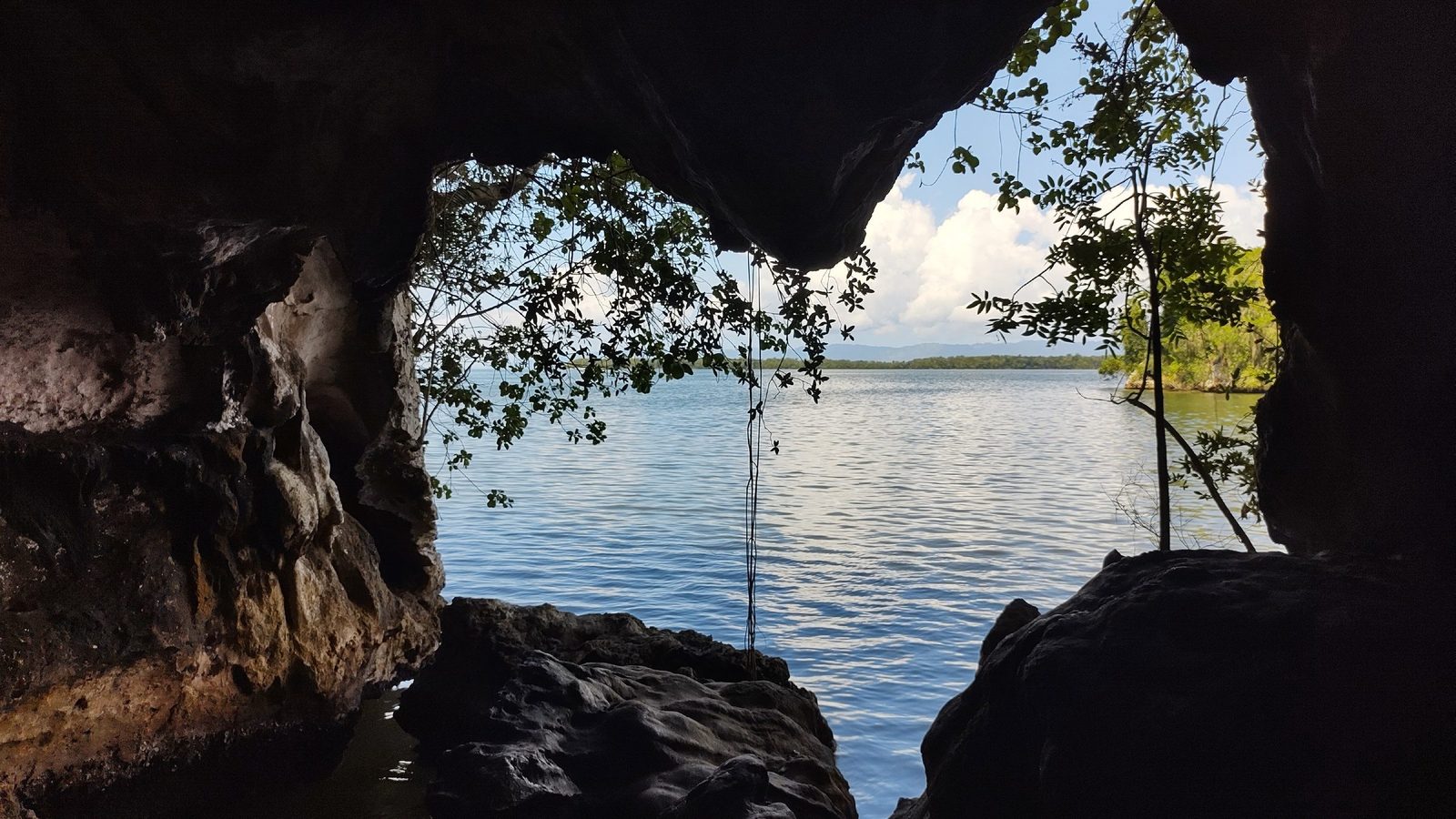
The Cordillera Oriental, the low eastern range, crosses the province, and along the bay the caves of Los Haitises, Cueva de la Arena, Cueva de la Línea and San Gabriel, keep some of the finest Taíno rock art in the country.
Samaná Bay
Along the coast near Sabana de la Mar, the mangroves of the Manglar de la Jina are protected as a wildlife refuge, and the town’s fishermen bring in lobster, shrimp and fish from the bay. From the town pier a ferry crosses Samaná Bay to Santa Bárbara de Samaná in about an hour, the fastest way between the two shores.
From mid-January to March, humpback whales gather in the bay to mate and give birth, and the crossing becomes a whale watch of its own.
Where to stay
The finest stays are along the coast at Miches, with an eco-lodge at the gate of the park.
Playa Esmeralda, Miches
Club Med’s first Exclusive Collection resort in the Americas.
Discover Club Med Michès →Playa Esmeralda, Miches
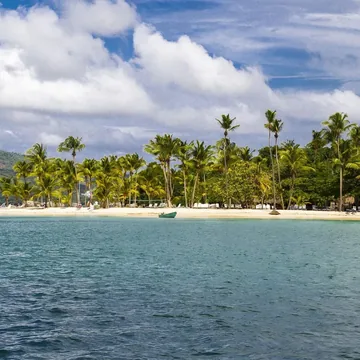
500 rooms and oceanfront bungalows on Playa Esmeralda; all-inclusive.
Discover Zemi Miches →Caño Hondo, Sabana de la Mar
A rustic eco-lodge at the edge of Los Haitises, with natural pools fed by the Jivales River.

Places are chosen by our standard; none can pay to be listed here. Partner listings, when they appear, are clearly marked as paid.
Things to do
From Caño Hondo
Mangroves, bird islands and caves painted by the Taíno.
Discover Los Haitises by boat →Sabana de la Mar
The Jivales River, falling through a chain of natural pools.
Hato Mayor
A hike, a rappel and the great galleries below.
Sabana de la Mar
Across the bay to Santa Bárbara de Samaná in about an hour.
Playa Esmeralda
The new eco-luxury coast, east along the bay.
Discover Miches →Samaná Bay
Humpback whales in the bay from mid-January to March.
Discover Whale watching →The calendar
Questions
In the east of the Dominican Republic, between San Pedro de Macorís and Samaná Bay. Its capital, Hato Mayor del Rey, is about 110 km from Santo Domingo.
By boat with a guide from Caño Hondo, near Sabana de la Mar, on the south shore of Samaná Bay.
A great cave on the southern edge of Los Haitises, reached by a hike or on horseback and entered by rappel, always with a guide.
For its groves of oranges, lemons and mandarins, among the largest in the country.
Checked November 27, 2026. Prices, dates and rules can change: confirm with each hotel, airline and official source before you travel. For entry rules, see the US State Department’s page for the Dominican Republic and the Dominican Republic’s own E-Ticket site.
Keep exploring