







3%
Transfer tax
On the DGII valuation or the price, whichever is higher; exempt in CONFOTUR projects.
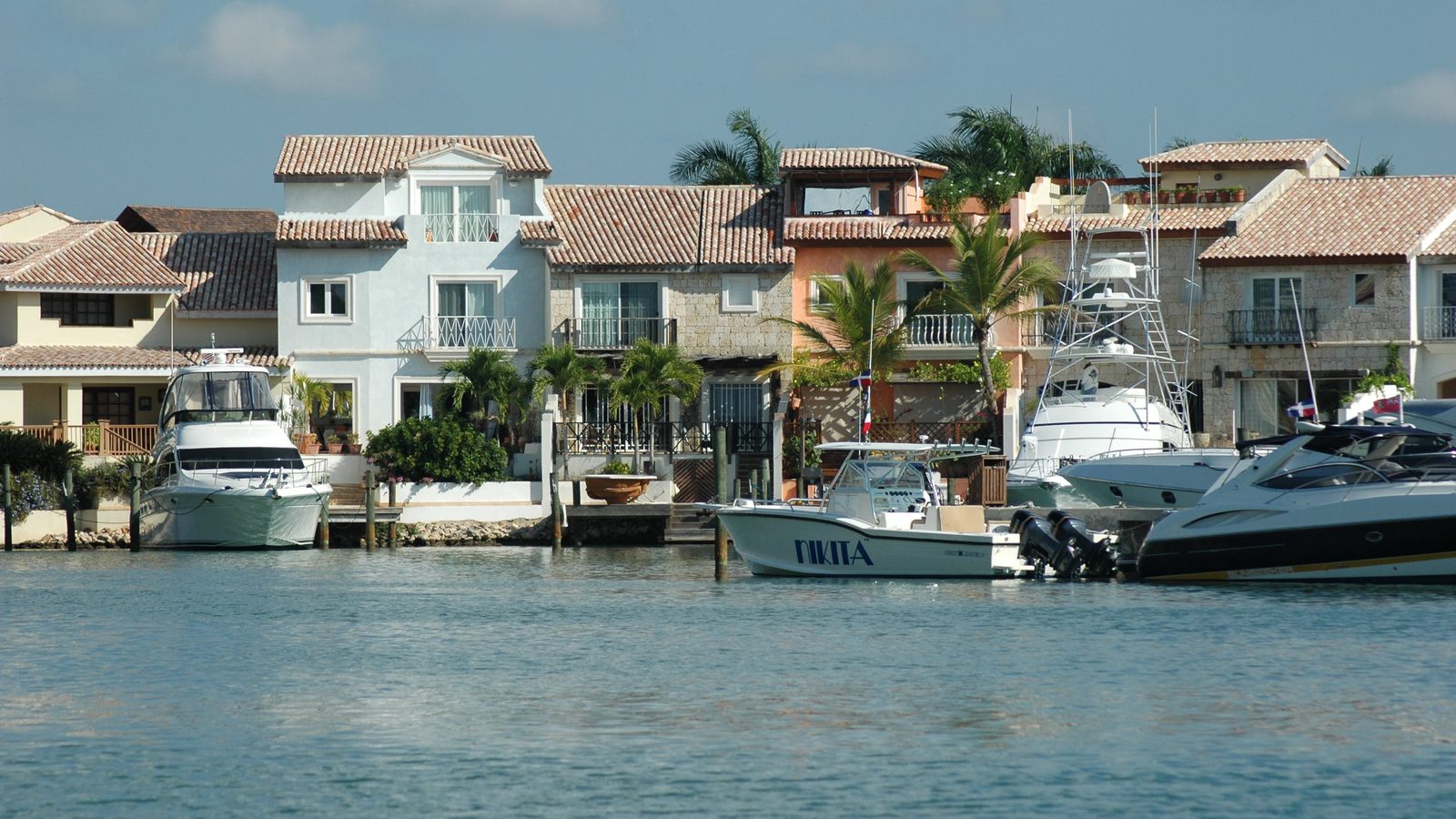
Discover →On the water at La Romana
Home › Luxury Real Estate › Buying Property › How to Buy, Step by Step
Lawyer · Due diligence · Notary · Transfer tax · Title
From the first viewing to the keys…
Buying Property · Step by step
How to buy property in the Dominican Republic, in seven steps: agree the price, hire your own lawyer, check the title, sign before a notary, pay the transfer tax, register the sale, and receive a new Certificate of Title in your name. The registry uses a Torrens-style system under Law 108-05, so the title itself is the proof of ownership.
Updated November 25, 2026
At a glance

The seven steps
Closing costs
3%
On the DGII valuation or the price, whichever is higher; exempt in CONFOTUR projects.
Discover →About 1 to 1.5%
Plus 18% ITBIS on the fee.
Discover Real Estate Lawyers →About 1%
Notary and registry fees together, roughly.
Usually paid by the seller
Ask before you sign.

Typical figures from Dominican law firms and listing guides, November 2026; your lawyer will give you the exact sum.
Buying off-plan
Many new developments are sold off-plan under a fideicomiso, a development trust under Law 189-11, with buyers’ payments held by a licensed trust company supervised by the Superintendency of Banks. Ask for the trust company’s name and check it, ask for the building permits, and ask for the project’s CONFOTUR resolution if the seller says it has one.
Please note
Checked November 25, 2026. Laws, taxes and figures change, and some details of Law 30-26 still await regulations: confirm everything with your own lawyer before you sign. For information only, not investment, tax or legal advice.

Questions
Registration of the sale takes from a few weeks to a few months after signing and paying the transfer tax.
Usually about 4 to 5.5% of the price: the 3% transfer tax, the lawyer, the notary and registration.
The official survey that fixes a property’s boundaries; a clear title should be backed by one.
Checked November 25, 2026. Seasons, prices and rules can change: confirm with each operator before you go.
Keep exploring