Jarabacoa
Hotel Pinar Dorado by Gran Jimenoa
In the town center, with a spa and a pool.
Discover Jarabacoa →Carnival in La Vega, 2025
Home › The Eight Shores › Jarabacoa & Constanza › La Vega
The Cibao · La Vega
Bells, masks and the colors of February…
La Vega
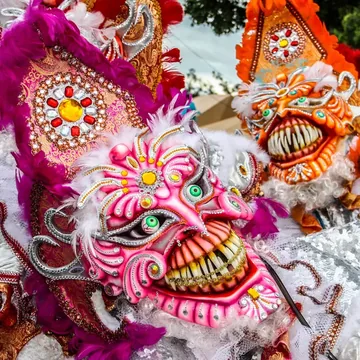
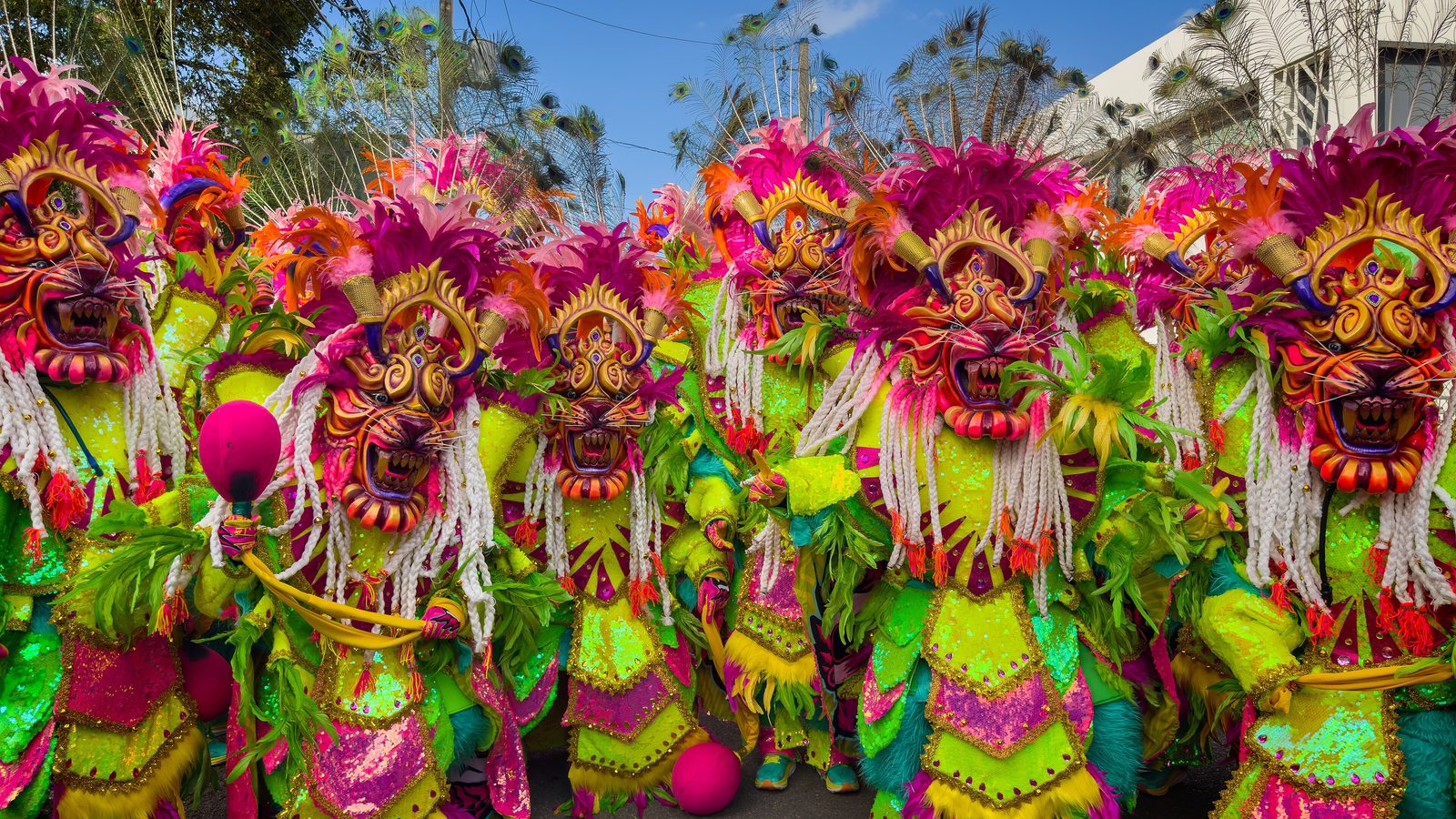
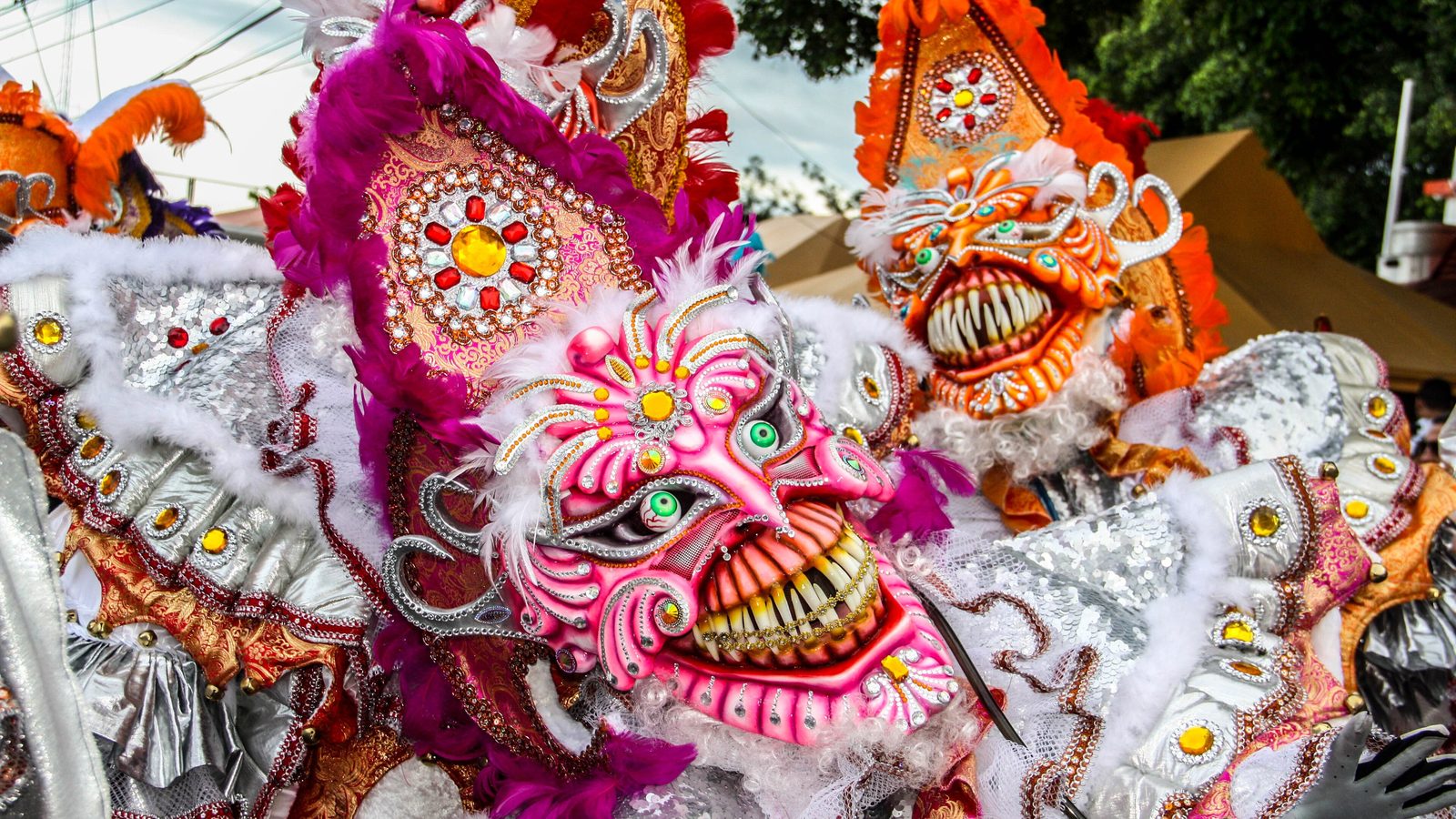
La Vega, in the heart of the Cibao, has the most famous carnival in the Dominican Republic: every Sunday in February, the diablos cojuelos fill the streets in masks and belled capes, a tradition traced back five centuries, with the ruins of Columbus’s La Vega Vieja and the sanctuary of Santo Cerro just outside town.
Updated November 22, 2026
At a glance

Why go
La Vega’s carnival is the country’s most celebrated. Historians trace the first celebrations to February 1520, at what are now the ruins of La Vega Vieja, and in 1977 it was declared part of the nation’s folklore heritage. Its stars are the diablos cojuelos, the “limping devils,” in hooded capes sewn with hundreds of bells and masks, carrying inflated vejigas.
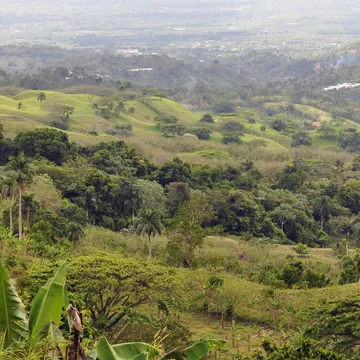
Columbus founded La Vega Vieja and its fort in 1494, and the town grew rich on gold from the Río Verde before an earthquake destroyed it in 1562; the ruins and a small museum remain. Above the valley, Santo Cerro, a pilgrimage hill with the Convent of La Merced, looks out over the Cibao valley.
Where to stay
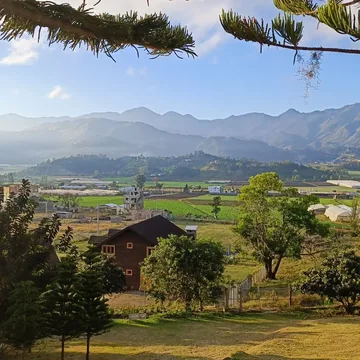
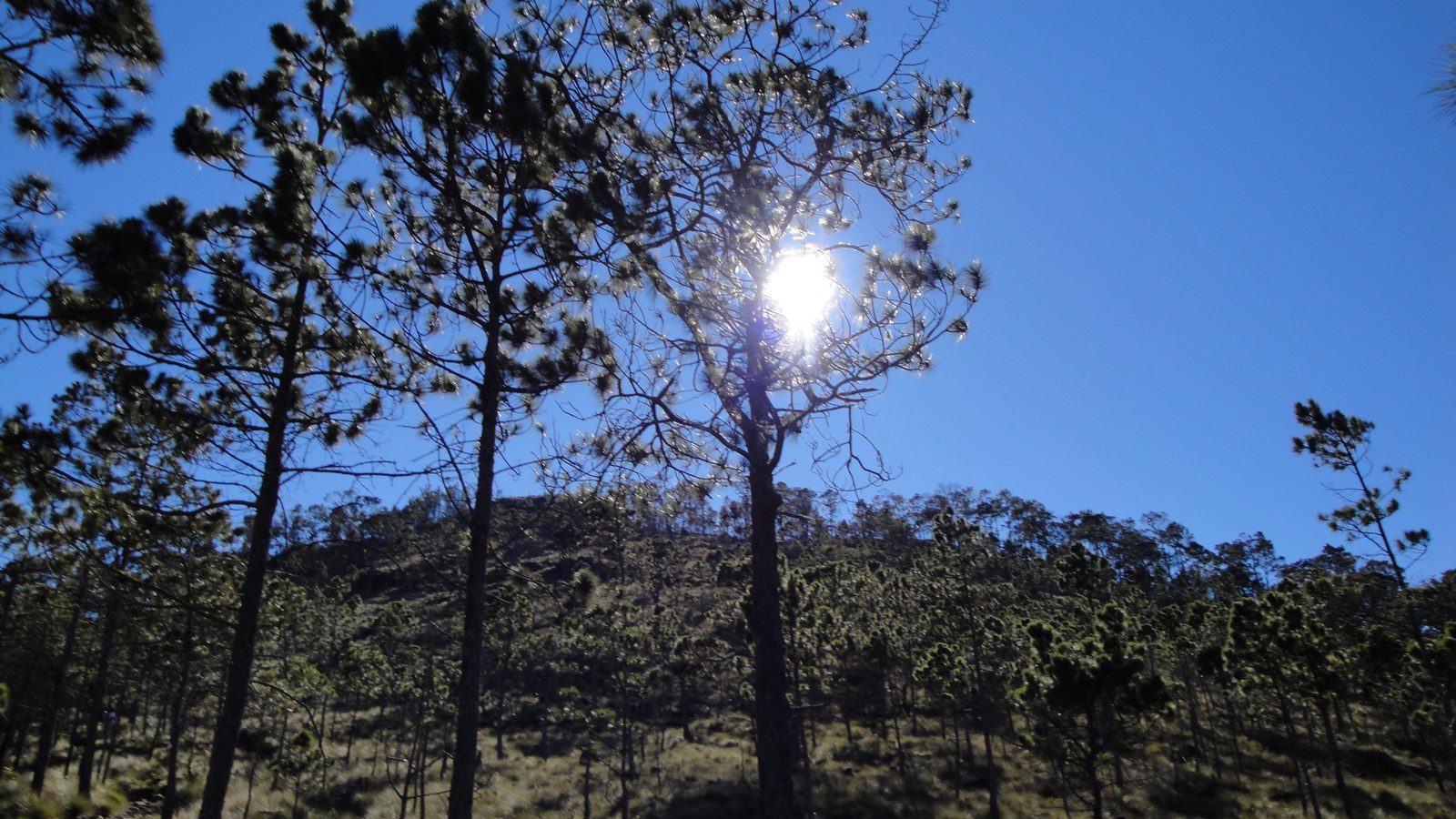
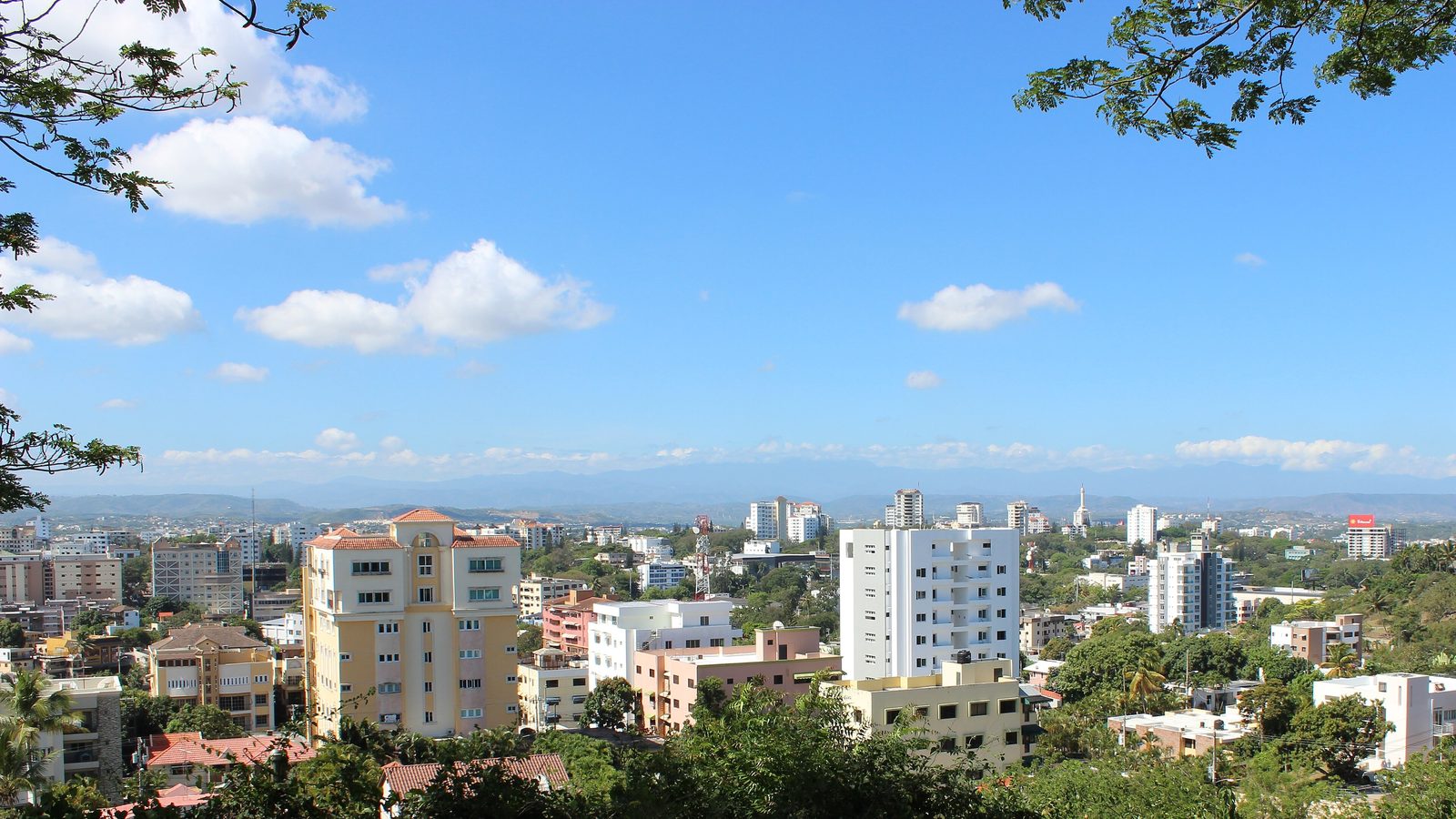
Stay in Jarabacoa, in the mountains nearby.
Jarabacoa
In the town center, with a spa and a pool.
Discover Jarabacoa →
Places are chosen by our standard; none can pay to be listed here. Partner listings, when they appear, are clearly marked as paid.
Things to do
La Vega
Every Sunday in February.
Near La Vega
The ruins of Columbus’s town and fort, with a museum.
Near La Vega
The pilgrimage hill and its view over the Cibao.
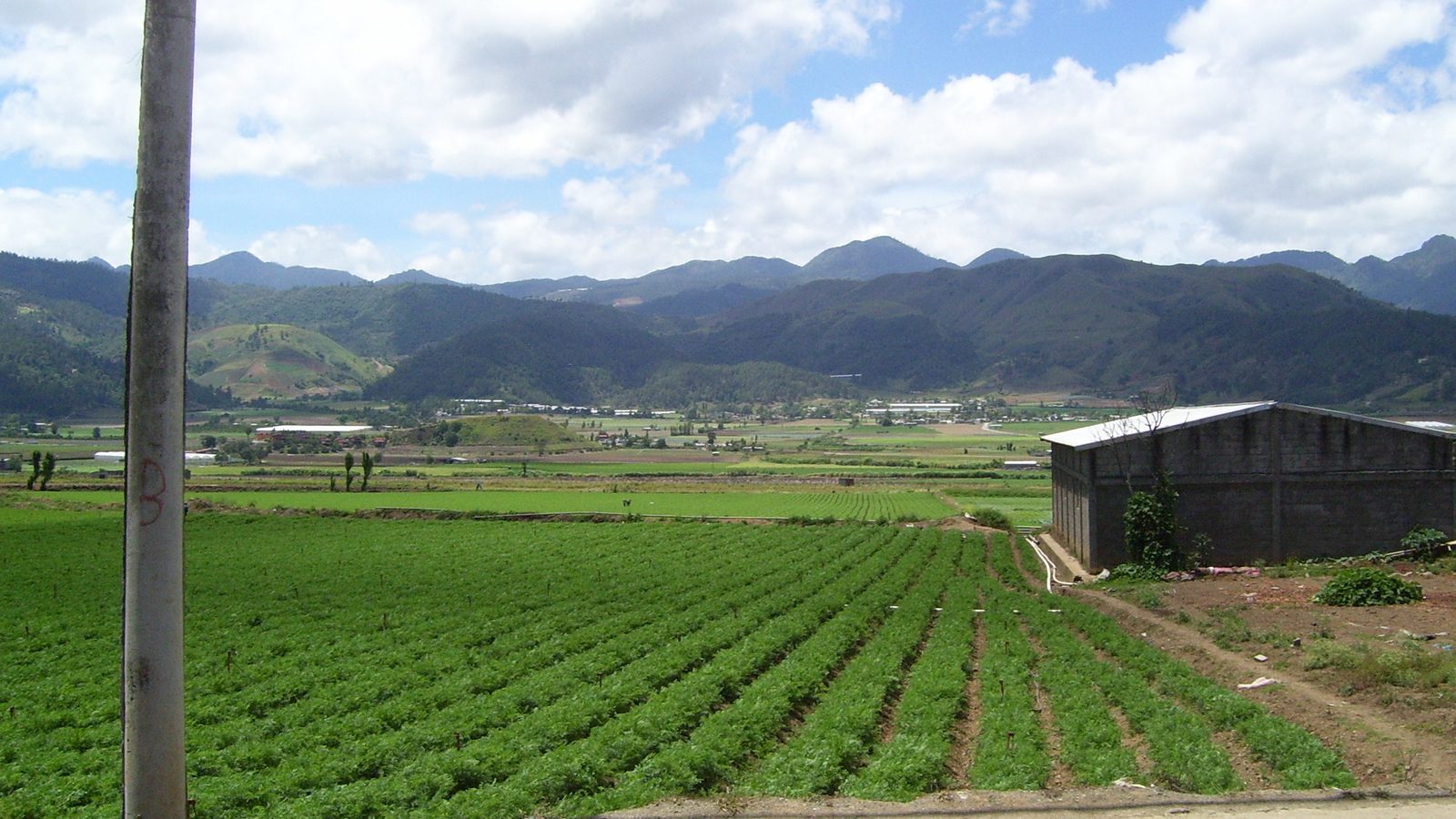
The Cordillera Central
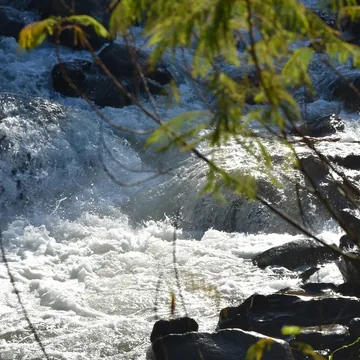
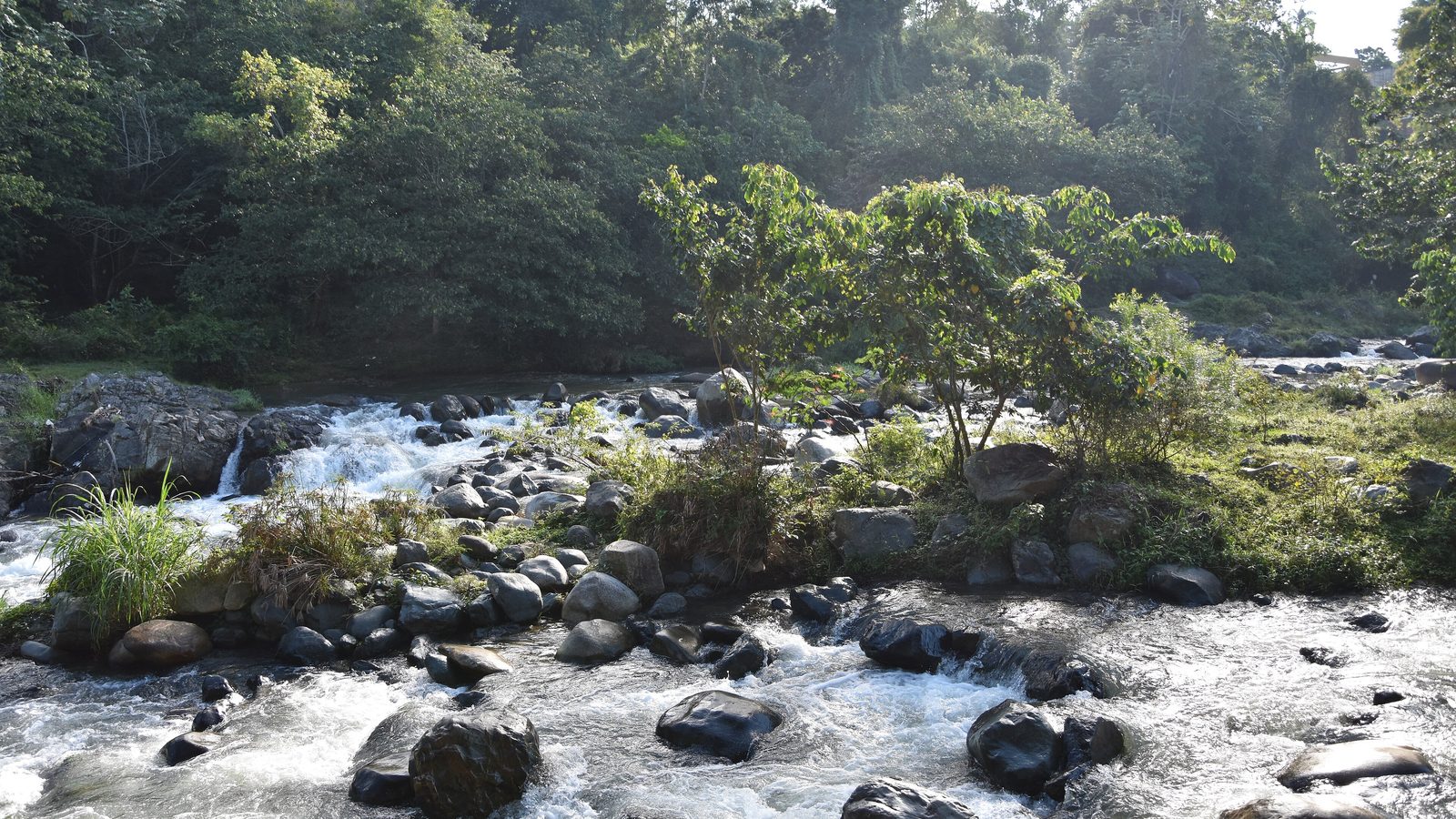
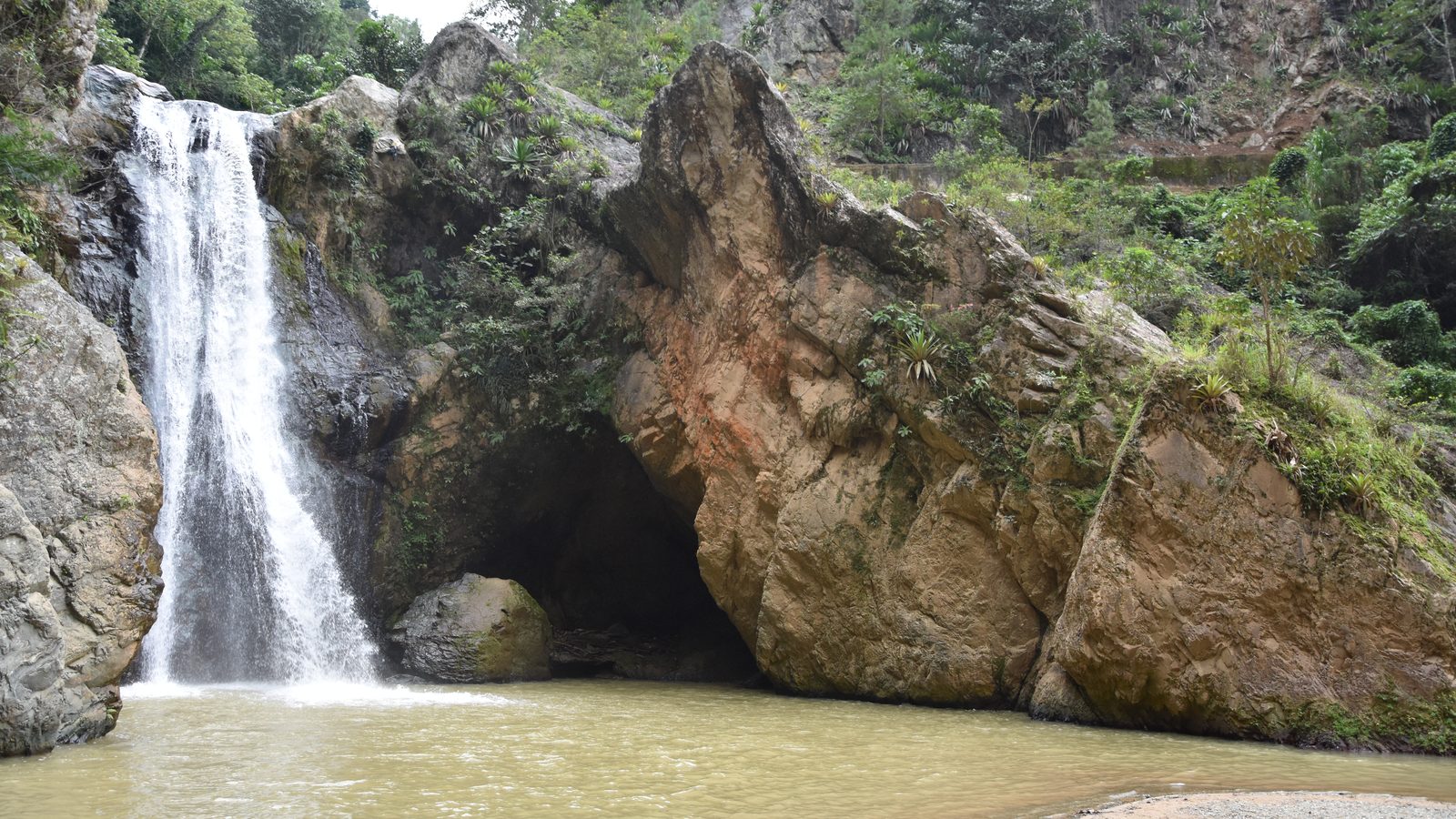
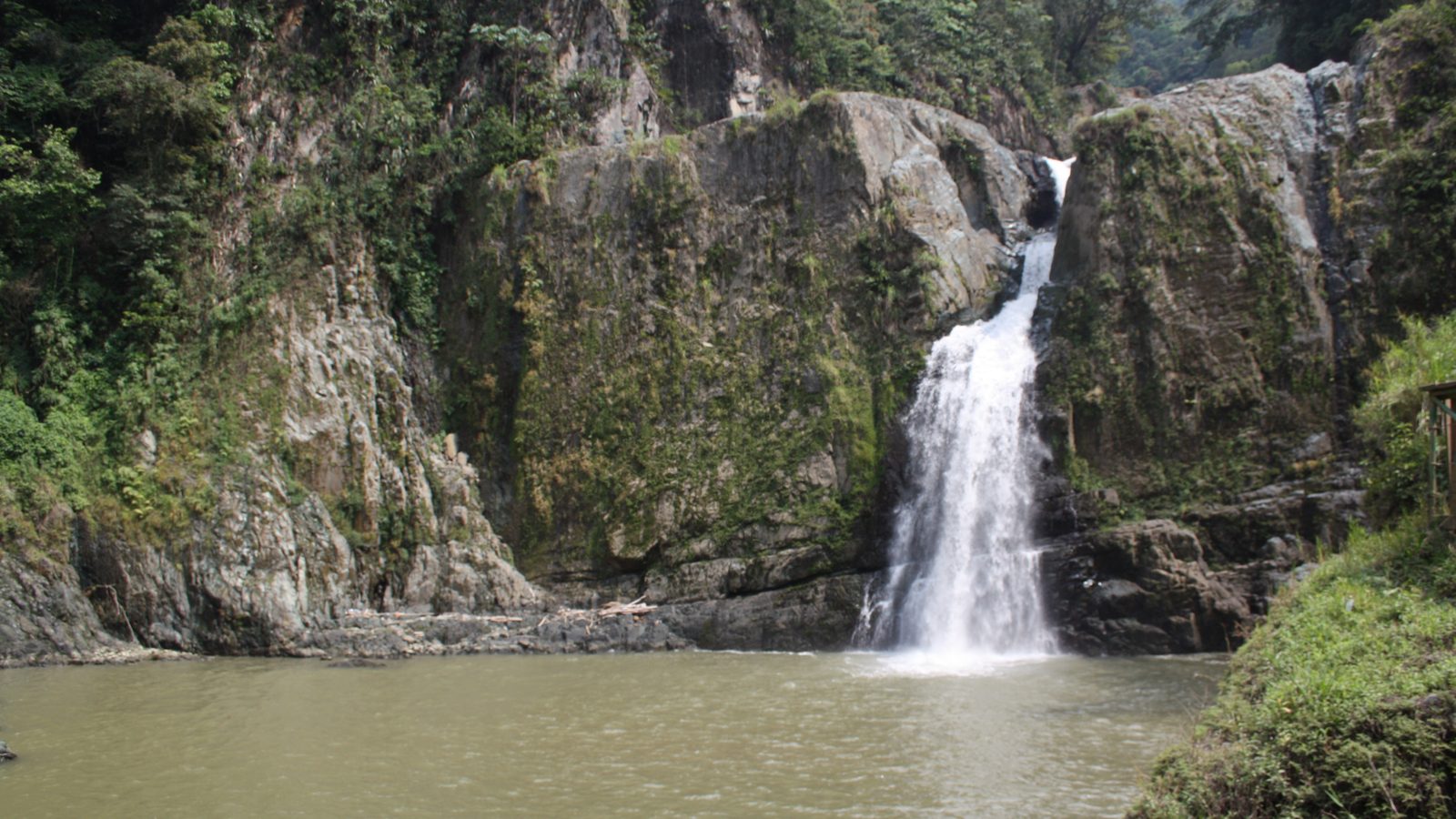
Waterfalls and mountain air.
Discover Jarabacoa →The Cibao
Cigars and culture in the Cibao’s capital.
Discover Santiago →
Questions
Every Sunday in February, building toward Independence Day on February 27.
The “limping devils” at the heart of the carnival, in belled capes and masks, carrying inflated vejigas.
The ruins of the town and fort Columbus founded in 1494, destroyed by an earthquake in 1562.
Checked November 22, 2026. Prices, dates and rules can change: confirm with each hotel, airline and official source before you travel. For entry rules, see the US State Department’s page for the Dominican Republic and the Dominican Republic’s own E-Ticket site.
Keep exploring