Samaná Bay
Cayo Levantado Resort
Forbes Travel Guide Four-Star 2026, for the third year running; on an island in Samaná Bay.
Discover Cayo Levantado Resort →Cacao pods on the tree
Home › The Eight Shores › Samaná › San Francisco de Macorís
Duarte · The land of cacao
Cacao country, below the cloud forest…
San Francisco de Macorís
San Francisco de Macorís, capital of Duarte province and the sixth largest city in the country, is the capital of Dominican cacao: the province produces 63.5 percent of the organic cacao the country exports, grown in the shade below Loma Quita Espuela, a scientific reserve of humid mountain forest just north-east of town.
Stay on the Samaná peninsula, north-east, and come for the cacao and the forest.
Updated November 22, 2026
At a glance
Why go
San Francisco de Macorís was founded on September 20, 1778, and named for Saint Francis, patron of the Franciscan order. For centuries the land around it was the countryside of La Vega and Cotuí; the province took the name of Duarte, the founding father of the Republic, on July 26, 1926. Today it is a busy, prosperous city of the eastern Cibao, built on agriculture.
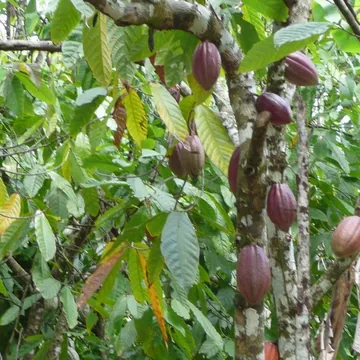
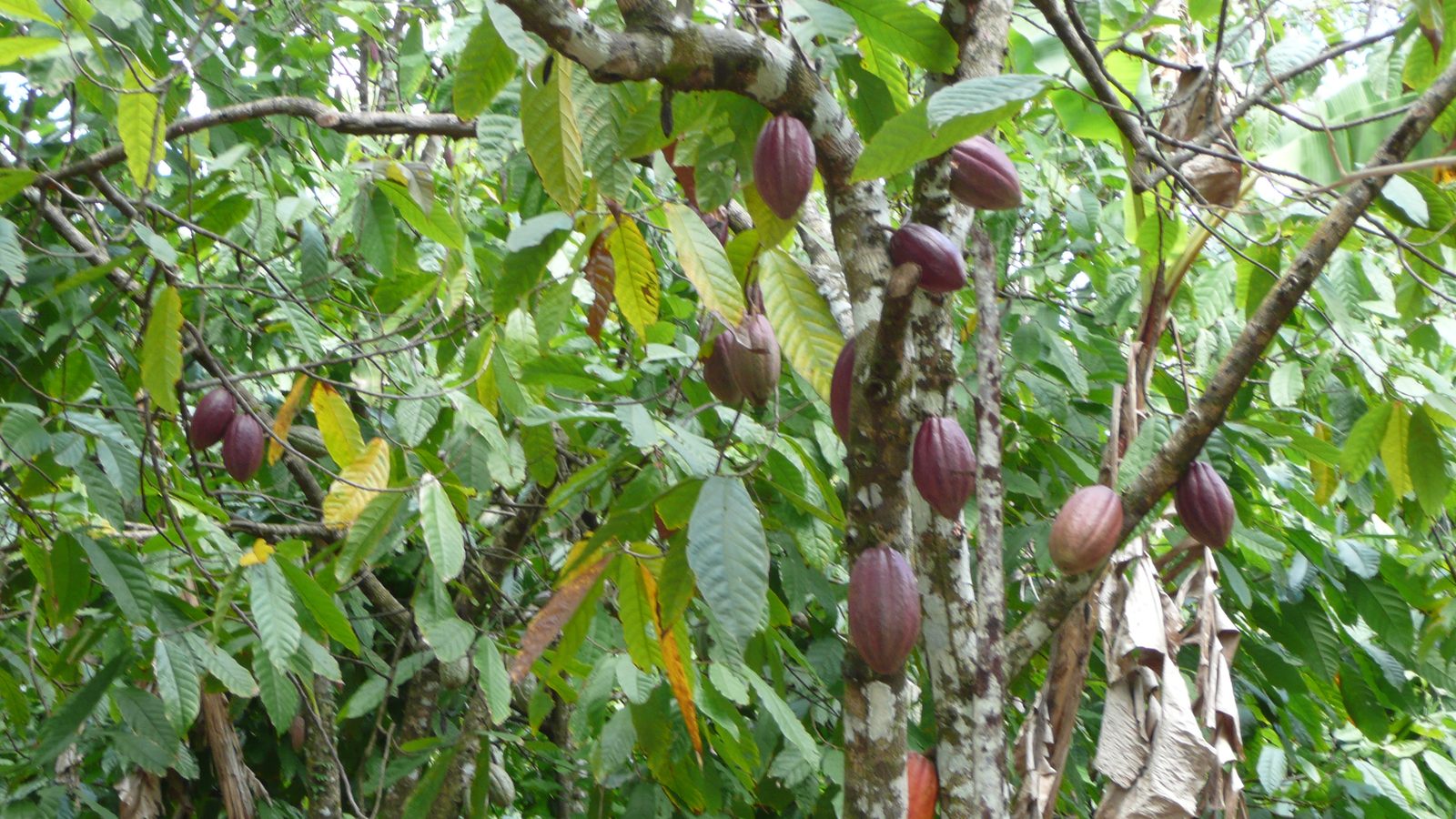
Its fortune is cacao. Duarte produces 63.5 percent of the organic cacao the Dominican Republic exports, prized by chocolate makers abroad, and the farms around the city grow it in the shade of tall trees on the slopes of the Cordillera Septentrional. For a traveler, it is the best place in the country to see how chocolate begins.
The chocolate trail
At Hacienda La Esmeralda, a family cacao farm at Las Pajas, about 15 minutes from the city, El Sendero del Cacao welcomes visitors with a cup of hot chocolate, then walks them through the plantation to see how the pods are grown, opened and fermented, and on to the small factory where the beans become chocolate. You can make your own chocolate figure, taste with all five senses and finish with a Dominican lunch on the farm; the shop sells bolas de cacao, the traditional balls for hot chocolate, and fine bars of every strength.
The cloud forest
Above the city, Loma Quita Espuela is a scientific reserve of 9,247 hectares protecting five hills of the Cordillera Septentrional, about 15 km north-east of town, and holds the country’s finest remaining humid forest, full of endemic birds and plants. It is managed with the Fundación Loma Quita Espuela, which works with the communities around the reserve to make their living from conservation.
A guide is required: arrange your visit and pay the entry at the foundation’s office in the city, then hike to the rivers and viewpoints with a local guide. At the foot of the mountain, Rancho Don Lulú is a quiet place to rest after the walk. The province also protects a second reserve, Loma Guaconejo.
Where to stay
The finest stays are on the Samaná peninsula.
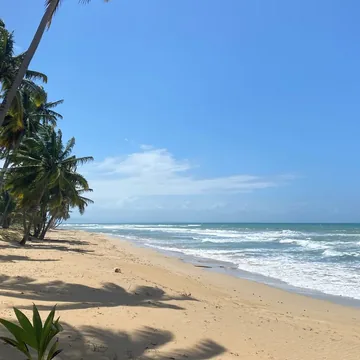
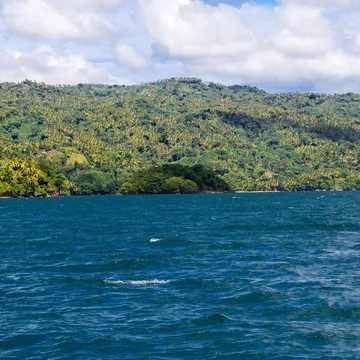
Samaná Bay
Forbes Travel Guide Four-Star 2026, for the third year running; on an island in Samaná Bay.
Discover Cayo Levantado Resort →Playa Cosón, Las Terrenas
A design-led boutique resort on Cosón Beach; Small Luxury Hotels of the World and in the MICHELIN hotel selection.
Discover Sublime Samaná →Places are chosen by our standard; none can pay to be listed here. Partner listings, when they appear, are clearly marked as paid.
Things to do
Hacienda La Esmeralda, Las Pajas
From the pod to the bar, with hot chocolate and lunch on the farm.
North-east of the city
The country’s finest humid forest, with a local guide.
Below Quita Espuela
A quiet ranch at the foot of the mountain.
San Francisco de Macorís
The shaded main square, best in the late afternoon.
The Samaná peninsula
The beaches of the north-east.
Discover Las Terrenas →The Northeast
The bay, the whales and Cayo Levantado.
Discover Samaná →Questions
Because Duarte province produces 63.5 percent of the organic cacao the Dominican Republic exports.
Yes: El Sendero del Cacao at Hacienda La Esmeralda, about 15 minutes from the city, has guided tours with hot chocolate, a chocolate workshop and lunch.
Yes. Arrange your visit at the Fundación Loma Quita Espuela’s office in the city, which provides local guides.
On September 20, 1778.
Checked November 22, 2026. Prices, dates and rules can change: confirm with each hotel, airline and official source before you travel. For entry rules, see the US State Department’s page for the Dominican Republic and the Dominican Republic’s own E-Ticket site.
Keep exploring