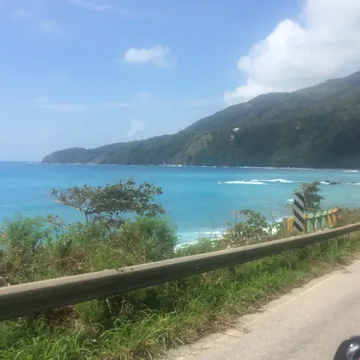
Barahona
Casa Bonita Tropical Lodge
A family-run eco-lodge in the hills above the sea, the Southwest’s best.
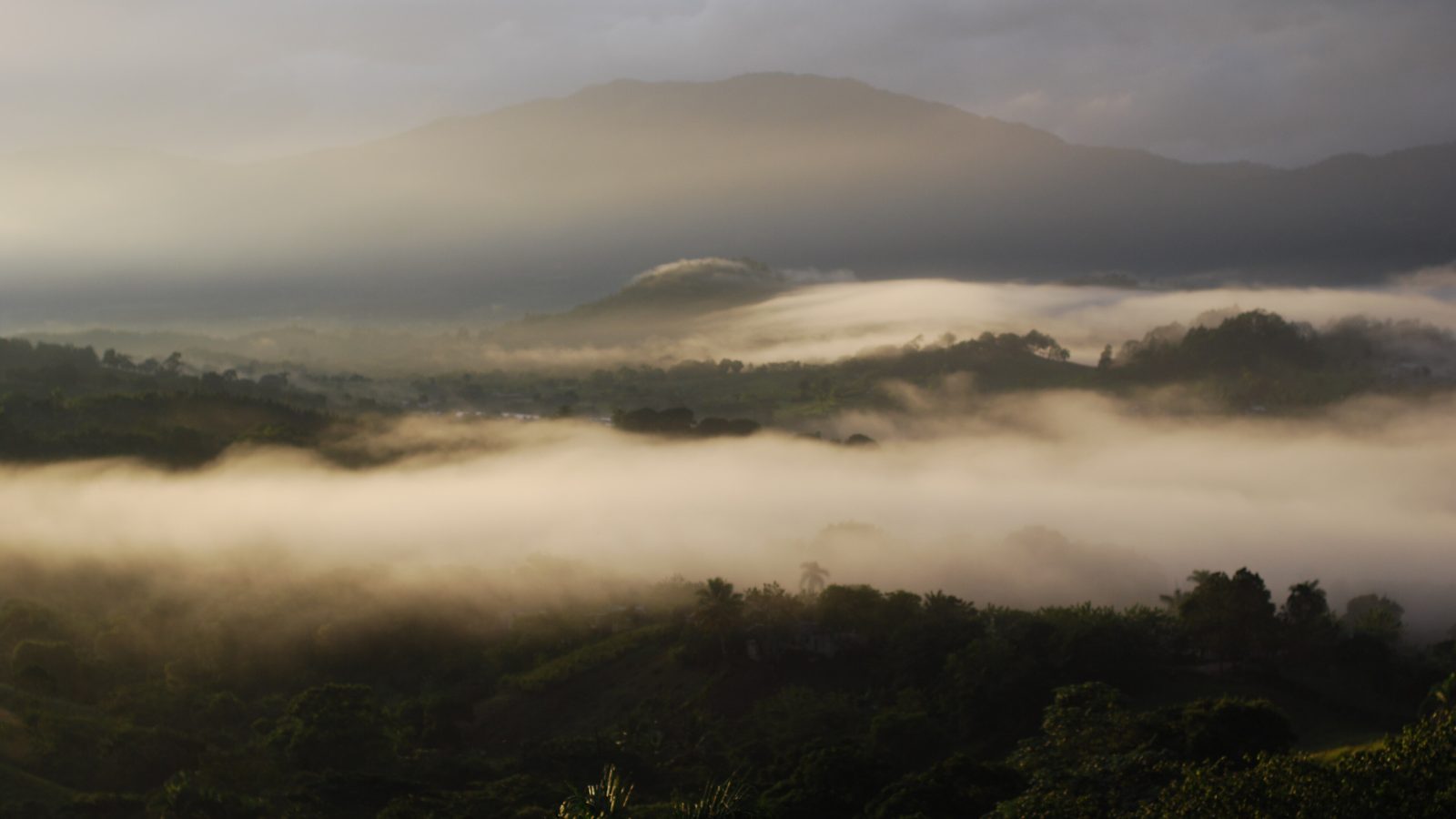
Discover Casa Bonita →Morning mist over the Cordillera Central, north of the valley of San Juan
Home › The Eight Shores › Barahona › San Juan de la Maguana
San Juan · The Granary of the South
Anacaona’s valley, the granary of the South…
San Juan de la Maguana
San Juan de la Maguana, founded in 1503 in the valley of the Taíno chiefdom of Maguana, ruled by Caonabo and Anacaona, is the capital of the Granary of the South, a wide, fertile valley between the Cordillera Central and the Sierra de Neiba, with El Corral de los Indios, one of the great pre-Columbian monuments of the Antilles, just north of town.
San Juan de la Maguana is for explorers: there is no luxury hotel in the valley yet. Combine it with Lago Enriquillo and Barahona, or with the mountains of Constanza.
Updated November 22, 2026
At a glance
Why go
Before the Spanish came, this valley was the seat of Maguana, one of the island’s great Taíno chiefdoms, ruled by the cacique Caonabo and his wife Anacaona, the poet-queen. The town was founded in 1503, one of the first on the island, and named for Saint John the Baptist and for the valley; Maguana is said to mean “the first stone, the unique stone.” It stands on the east bank of the San Juan River, with the Cordillera Central to the north and east and the Sierra de Neiba to the south.
Its Taíno past is everywhere: in the monument to Caonabo breaking his chains, in the Plaza de Anacaona, and above all at El Corral de los Indios, about 5 km north of the city, a great ceremonial plaza of two concentric circles with a long carved stone at its center, where, legend says, Anacaona sat to lead the ceremonies. Some call it the Stonehenge of the Dominican Republic.
The valley
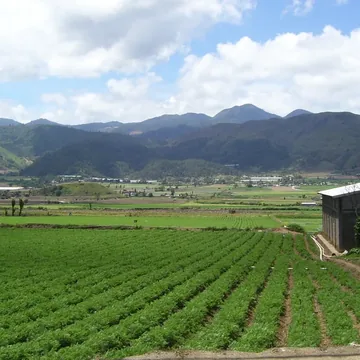
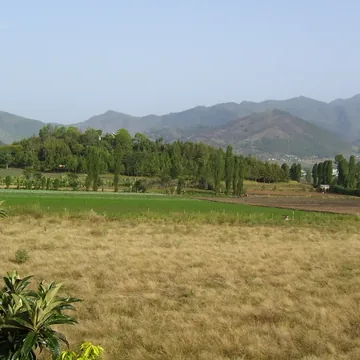
The valley of San Juan is one of the great farm valleys of the country, and its rice, beans, pigeon peas and corn have earned the province the name of the Granary of the South. Cattle graze the plain, and the irrigated fields, green against the dry hills, are beautiful at the end of the day.
In the city, the Arco del Triunfo, the cathedral of San Juan Bautista and the Parque Duarte are the heart of town. To the north, the Cordillera Central rises toward José del Carmen Ramírez National Park, the southern side of the country’s highest mountains, and the long trails that lead toward Pico Duarte.
Where to stay
The nearest fine stays are in the mountains and on the coast.
Barahona
A family-run eco-lodge in the hills above the sea, the Southwest’s best.
Discover Casa Bonita →Constanza
Villas with fireplaces above the valley, with a restaurant and riding.
Discover Hotel Altocerro →Valle Nuevo
Rustic cabins with stone fireplaces and solar power, among the pines.
Discover Constanza →Places are chosen by our standard; none can pay to be listed here. Partner listings, when they appear, are clearly marked as paid.
Things to do
About 5 km north
The great Taíno ceremonial plaza of Caonabo and Anacaona.
San Juan de la Maguana
The city’s tribute to the poet-queen.
San Juan de la Maguana
The cacique breaking his chains.
San Juan de la Maguana
The heart of the city, around the Parque Duarte.
José del Carmen Ramírez National Park
The Caribbean’s highest mountain, from the south.
Discover Pico Duarte →The Southwest
The Caribbean’s lowest lake, with its crocodiles and iguanas.
Discover Lago Enriquillo →Questions
A Taíno ceremonial plaza about 5 km north of San Juan de la Maguana: two concentric circles around a long carved stone, one of the most important pre-Columbian monuments of the Antilles.
The cacique of the chiefdom of Maguana and his wife, the poet-queen Anacaona, who ruled the valley before the Spanish arrived.
For the rice, beans, pigeon peas and corn grown in its fertile valley.
In 1503, one of the first towns established on the island.
Checked November 22, 2026. Prices, dates and rules can change: confirm with each hotel, airline and official source before you travel. For entry rules, see the US State Department’s page for the Dominican Republic and the Dominican Republic’s own E-Ticket site.
Keep exploring