La Romana
Casa de Campo Resort & Villas
Forbes Travel Guide Four-Star 2026, for the hotel and the spa. 316 rooms and suites plus private villas; every stay comes with a golf cart.
Discover Casa de Campo →The cathedral of San Pedro Apóstol, San Pedro de Macorís
Home › The Eight Shores › La Romana › San Pedro de Macorís
San Pedro de Macorís · The Sultana of the East
Sugar, baseball and the Guloyas…
San Pedro de Macorís
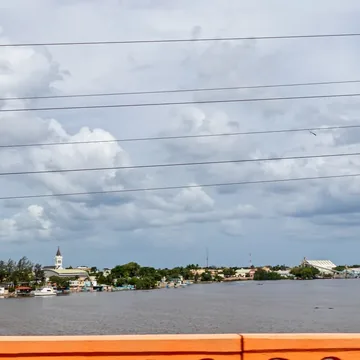
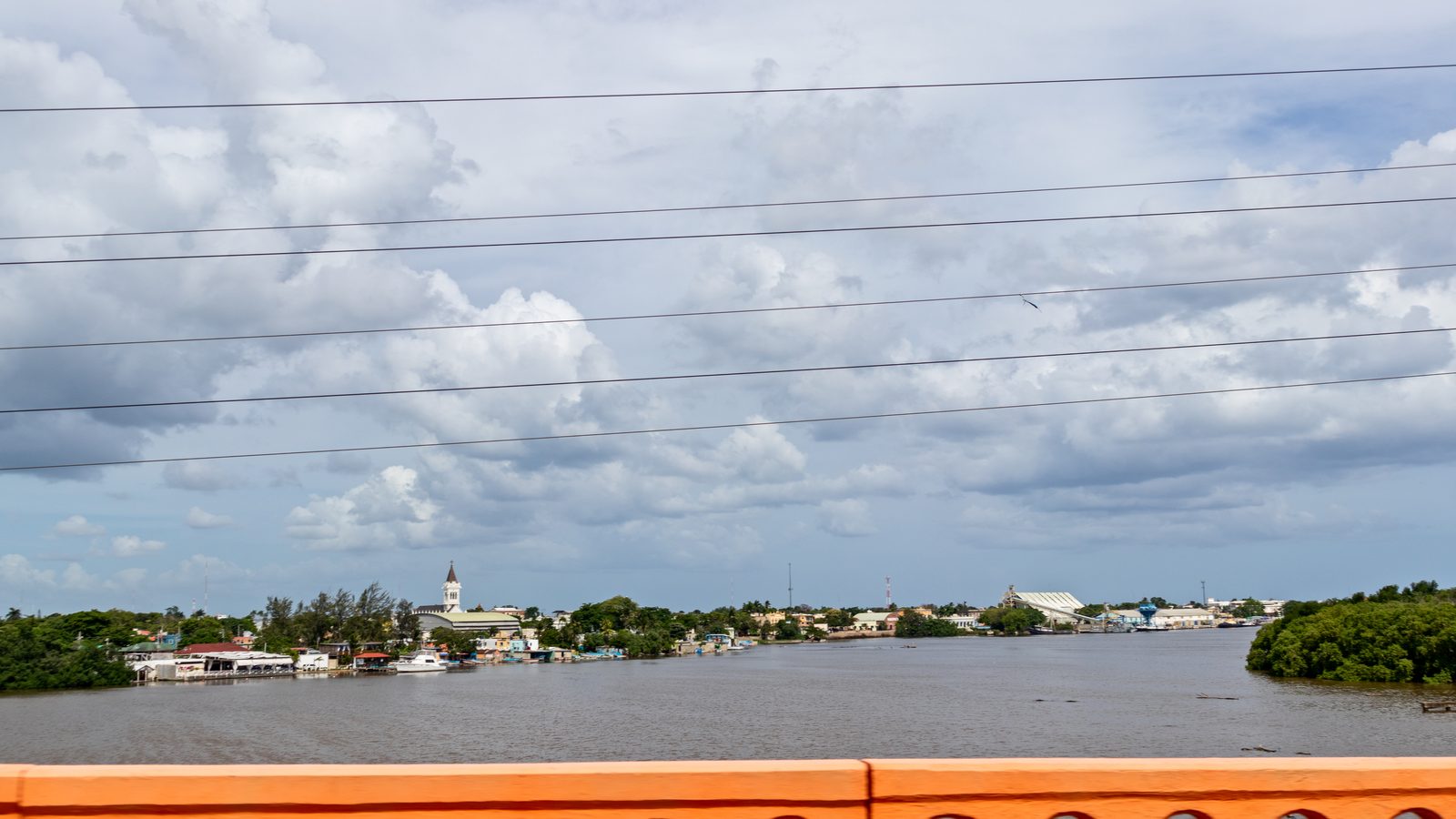
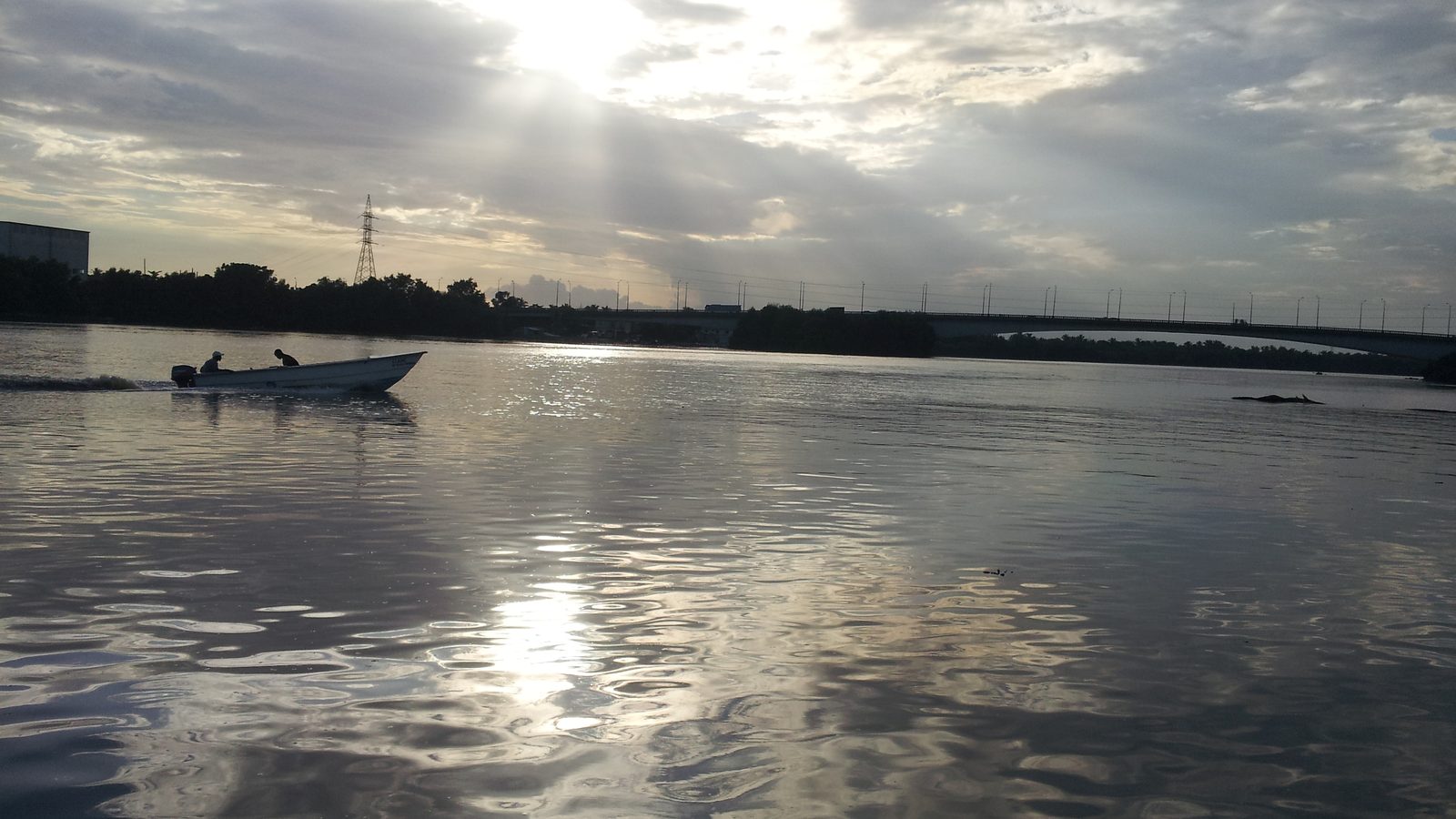
San Pedro de Macorís, where the Higuamo River meets the Caribbean, grew rich on sugar in the late nineteenth century and became the Cradle of Shortstops, the birthplace of a remarkable number of Major League players; its Guloyas, the dancers of the Cocolo community, were proclaimed by UNESCO in 2005 a Masterpiece of the Oral and Intangible Heritage of Humanity.
Stay at Casa de Campo or Juan Dolio, and come for a ball game, the cave or the carnival.
Updated November 22, 2026
At a glance
Why go
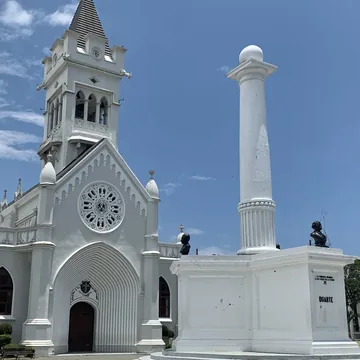
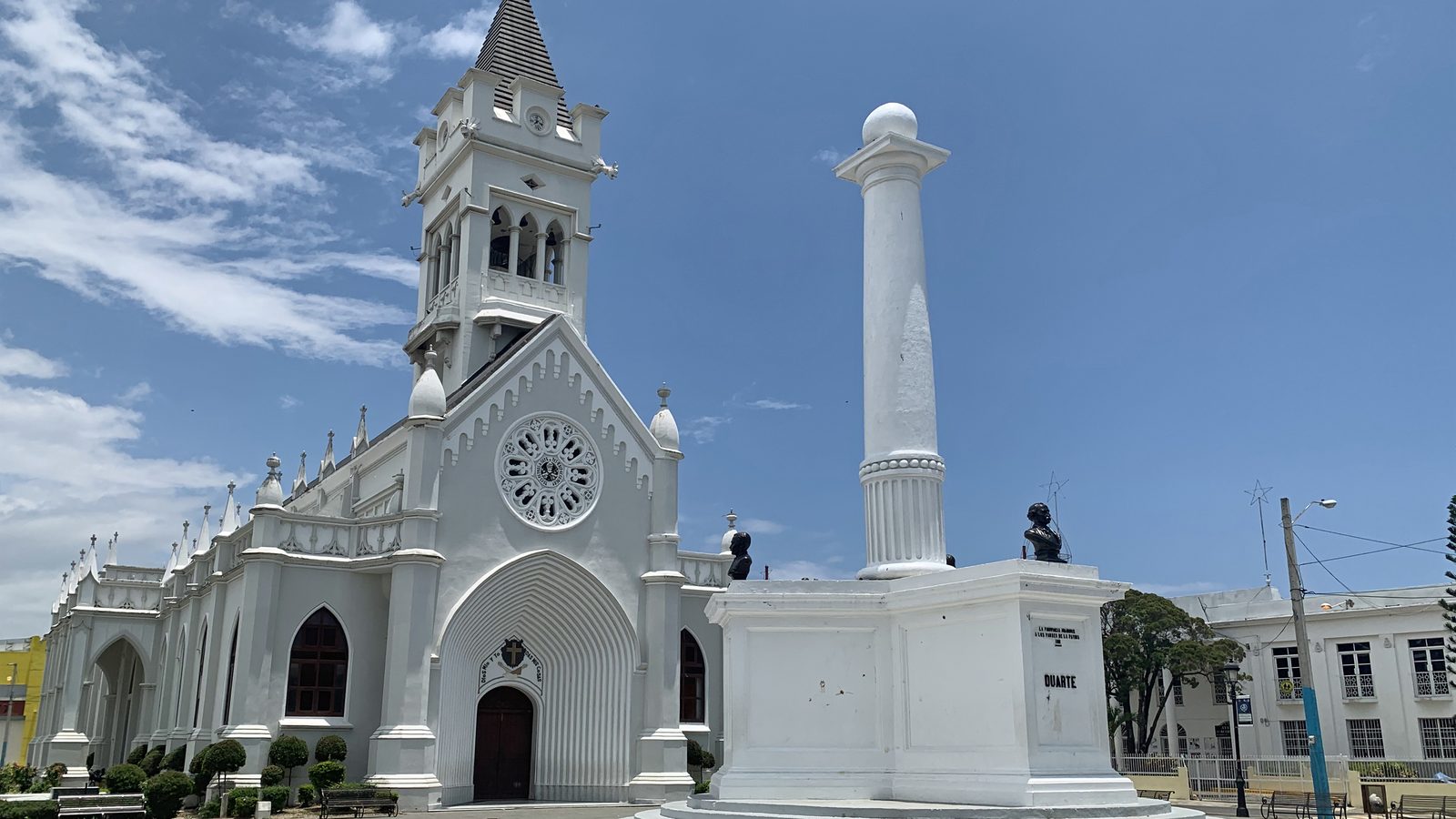
After 1868, sugar plantations and mills made San Pedro de Macorís one of the most important cities in the country, and its port one of the busiest; it reached its peak in the first quarter of the twentieth century, when the First World War sent sugar prices soaring. The city was a pioneer: among the first in the country with telephone and telegraph, a fire brigade, a racetrack and a boxing coliseum. The cathedral of San Pedro Apóstol, white and neo-Gothic, opened in 1910 by the river.
The mills drew workers from Cuba and from the English-speaking islands of the eastern Caribbean, whose descendants, the Cocolos, gave the city its most distinctive culture. They brought cricket, and the Guloyas, a theater of dance, music and costume with African and British roots that fills the streets at carnival and on the feast of Saint Peter; UNESCO proclaimed it a Masterpiece of the Oral and Intangible Heritage of Humanity in 2005.
Baseball
San Pedro de Macorís was the first place on the island to host a game of baseball, and it has produced professional players at a rate few places on earth can match, so many shortstops among them that the city is called the Cradle of Shortstops. Winter-league nights with the Estrellas Orientales at the Estadio Tetelo Vargas are the Dominican game at its best, with music, dancing in the stands and a crowd that knows every pitch.
Around the city
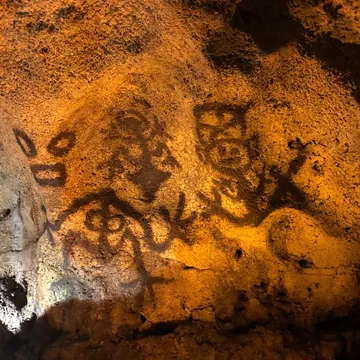
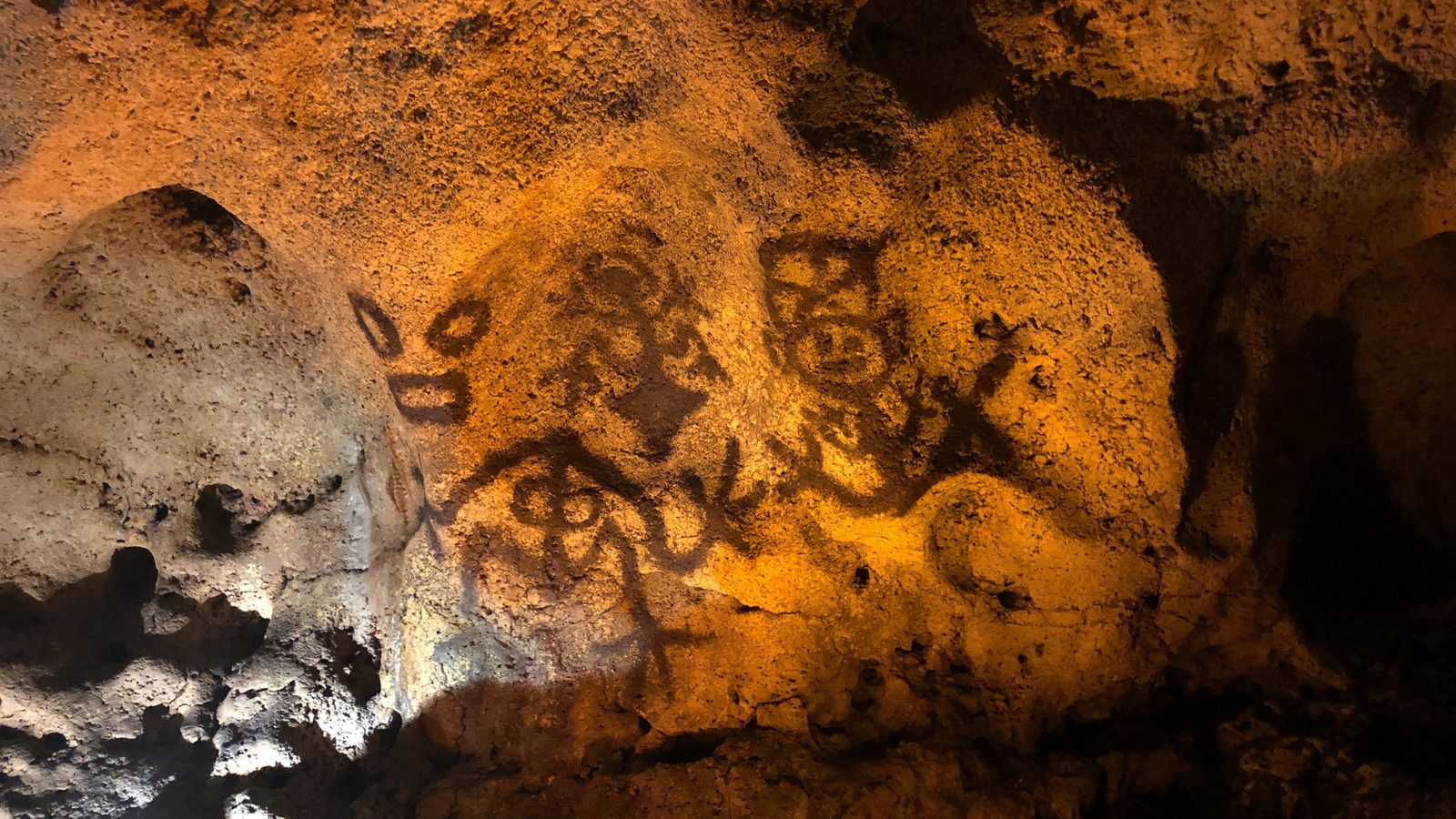
The Malecón along the sea is where the city meets in the evening, with outdoor bars and places to eat. East along the road to La Romana, at kilometer 16, the Cueva de las Maravillas is a national park since 1997 and open to visitors since 2003: a cave about 800 meters long, 25 meters underground, with stalactites, stalagmites and hundreds of Taíno pictographs and petroglyphs. It is one of the most accessible caves in the country, with lighting, sturdy paths, ramps and an elevator.
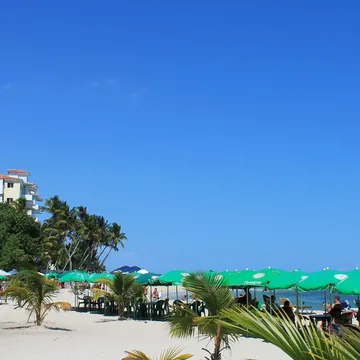
West of the city, the beaches of Juan Dolio and Guayacanes have calm water and beachfront resorts, and La Romana and Casa de Campo are a short drive east.
Where to stay
The finest stays east and west along the coast.
La Romana
Forbes Travel Guide Four-Star 2026, for the hotel and the spa. 316 rooms and suites plus private villas; every stay comes with a golf cart.
Discover Casa de Campo →Juan Dolio
An all-inclusive on the beach, with five restaurants and two pools.
Discover Juan Dolio →Guayacanes
An all-inclusive on the beach, with six restaurants and three pools.

Places are chosen by our standard; none can pay to be listed here. Partner listings, when they appear, are clearly marked as paid.
Things to do
Estadio Tetelo Vargas
Winter-league nights with the Estrellas Orientales.
San Pedro de Macorís
The Cocolo dancers in the streets at carnival and on Saint Peter’s feast.
The cathedral
The white neo-Gothic church by the river, opened in 1910.
Km 16, toward La Romana
Hundreds of Taíno paintings in a lit, accessible cave.
The South coast
Calm water and beachfront resorts, just west.
Discover Juan Dolio →La Romana
The Caribbean’s great resort, a short drive east.
Discover Casa de Campo →The calendar
Questions
Because the city has produced an extraordinary number of professional baseball players, many of them shortstops.
Dancers of the Cocolo community, descendants of immigrants from the English-speaking Caribbean. UNESCO proclaimed their dance theater a Masterpiece of the Oral and Intangible Heritage of Humanity in 2005.
A national park at kilometer 16 of the road to La Romana: a lit cave with hundreds of Taíno pictographs and petroglyphs, accessible with ramps and an elevator.
The Dominican winter league plays roughly from October to January.
Checked November 22, 2026. Prices, dates and rules can change: confirm with each hotel, airline and official source before you travel. For entry rules, see the US State Department’s page for the Dominican Republic and the Dominican Republic’s own E-Ticket site.
Keep exploring